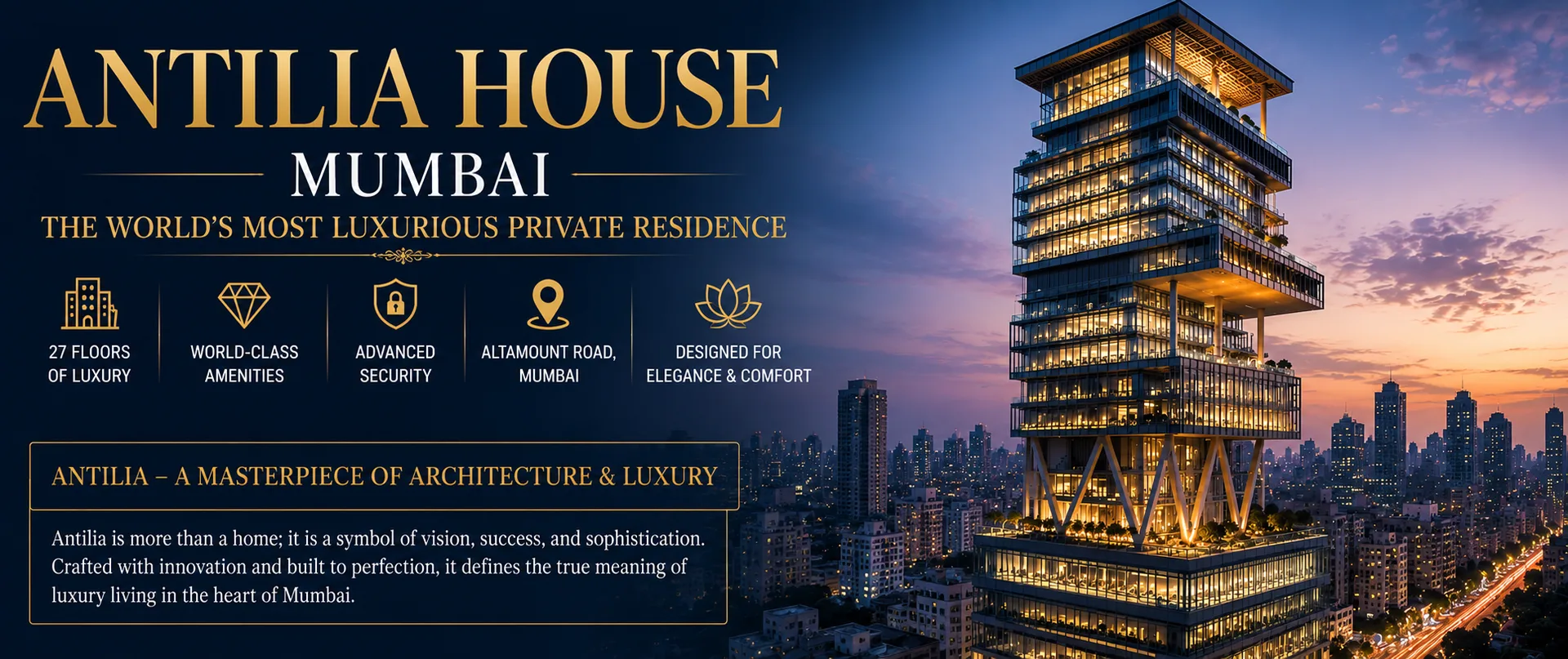
Birla House: A Historic Symbol of Heritage, Architecture, and Indian Legacy

Birla House
Discover Birla House, a historic landmark reflecting India’s rich heritage, elegant architecture, and cultural legacy. Explore its history, significance, and timeless connection to Indian traditions.
The Historical Importance of Birla House
Birla House is one of the most historically significant residences in India. Known for its deep connection with Indian history and national leaders, Birla House attracts visitors, historians, and tourists from across the world. The mansion became globally recognized because Mahatma Gandhi spent the last days of his life there before his assassination in 1948. Today, the property stands as a reminder of India’s freedom struggle, cultural heritage, and political transformation. The house reflects a blend of elegance, tradition, and national emotion that continues to inspire millions.
Architectural Beauty and Design
Birla House is admired for its grand architectural design and spacious layout. Built with a combination of colonial and Indian architectural influences, the mansion showcases beautiful balconies, wide corridors, polished marble floors, and decorative interiors. Large gardens surrounding the property enhance its peaceful atmosphere and make the building visually impressive. The elegant design demonstrates the luxurious lifestyle of India’s prominent industrial families during the early twentieth century. Even today, visitors appreciate the timeless beauty of the structure and the attention given to every architectural detail.
Connection with the Birla Family
The Birla family is among India’s most respected industrial and business dynasties. The house originally belonged to the Birla family, who played an important role in India’s economic development and social initiatives. Over the decades, the family supported educational institutions, charitable projects, temples, and national movements. Birla House became a center where influential leaders, freedom fighters, and social reformers gathered for discussions and meetings. Because of this strong connection, the residence gained both political and cultural significance in Indian society.
Mahatma Gandhi’s Final Days at Birla House
One of the most emotional aspects of Birla House is its connection with Mahatma Gandhi. Gandhi stayed at the residence during the final months of his life while participating in peace and social harmony efforts after India’s independence. On January 30, 1948, Gandhi was assassinated while walking toward the prayer ground inside the property. The exact pathway and prayer site have been preserved as memorial areas. Visitors can still see Gandhi’s final footsteps marked within the premises, creating a deeply emotional experience for those interested in Indian history.
Birla House as Gandhi Smriti Museum
After India’s independence, Birla House was transformed into a museum known as Gandhi Smriti. The museum preserves photographs, letters, personal belongings, books, and historical documents related to Gandhi’s life and mission. Exhibitions inside the museum educate visitors about non-violence, truth, peace, and India’s freedom movement. Interactive galleries and historical displays make the museum both educational and inspiring. Students, researchers, and international tourists regularly visit the property to understand the philosophy and legacy of Mahatma Gandhi in greater depth.
Tourist Attraction and Cultural Value
Today, Birla House is one of Delhi’s important cultural and tourist destinations. Visitors from different countries come to experience its peaceful environment and historical significance. The beautifully maintained gardens and museum galleries create a calm atmosphere suitable for learning and reflection. Educational tours and cultural programs are also organized at the venue to spread awareness about Indian history and Gandhi’s teachings. The property has become more than a historical building; it now serves as a symbol of peace, unity, and national pride.
Legacy and Modern Relevance of Birla House
Birla House continues to hold an important place in modern India. The residence reminds people about the sacrifices made during the freedom struggle and the importance of peace in society. It also reflects how historical buildings can preserve national memories for future generations. In a rapidly changing modern world, Birla House stands as a bridge between India’s past and present. Its emotional, political, and cultural importance ensures that it remains one of the country’s most respected heritage sites. The story of Birla House teaches visitors about leadership, simplicity, patriotism, and the lasting impact of historical events on national identity.
FAQ About Birla House
1. Where is Birla House located?
Birla House is located in New Delhi, India, and is currently known as Gandhi Smriti.
2. Why is Birla House famous?
The house is famous because Mahatma Gandhi spent his final days there before his assassination in 1948.
3. What is Gandhi Smriti?
Gandhi Smriti is the museum created inside Birla House to preserve the life, teachings, and memories of Mahatma Gandhi.
4. Can tourists visit Birla House?
Yes, tourists, students, and researchers can visit the property to explore the museum and historical memorial areas.
5. What can visitors see inside Birla House?
Visitors can see historical galleries, Gandhi’s belongings, photographs, books, letters, and the memorial marking his final footsteps.
6. Who owned Birla House originally?
The mansion originally belonged to the Birla family, one of India’s leading industrial families.
7. Why is Birla House important in Indian history?
Birla House is important because it is closely linked to India’s independence movement and Mahatma Gandhi’s life.
8. Is Birla House a protected heritage site?
Yes, the property is preserved as a national memorial and historical heritage location in India.