
Luxury Real Estate: A Complete Guide to Premium Property, Lifestyle, and Long-Term Value
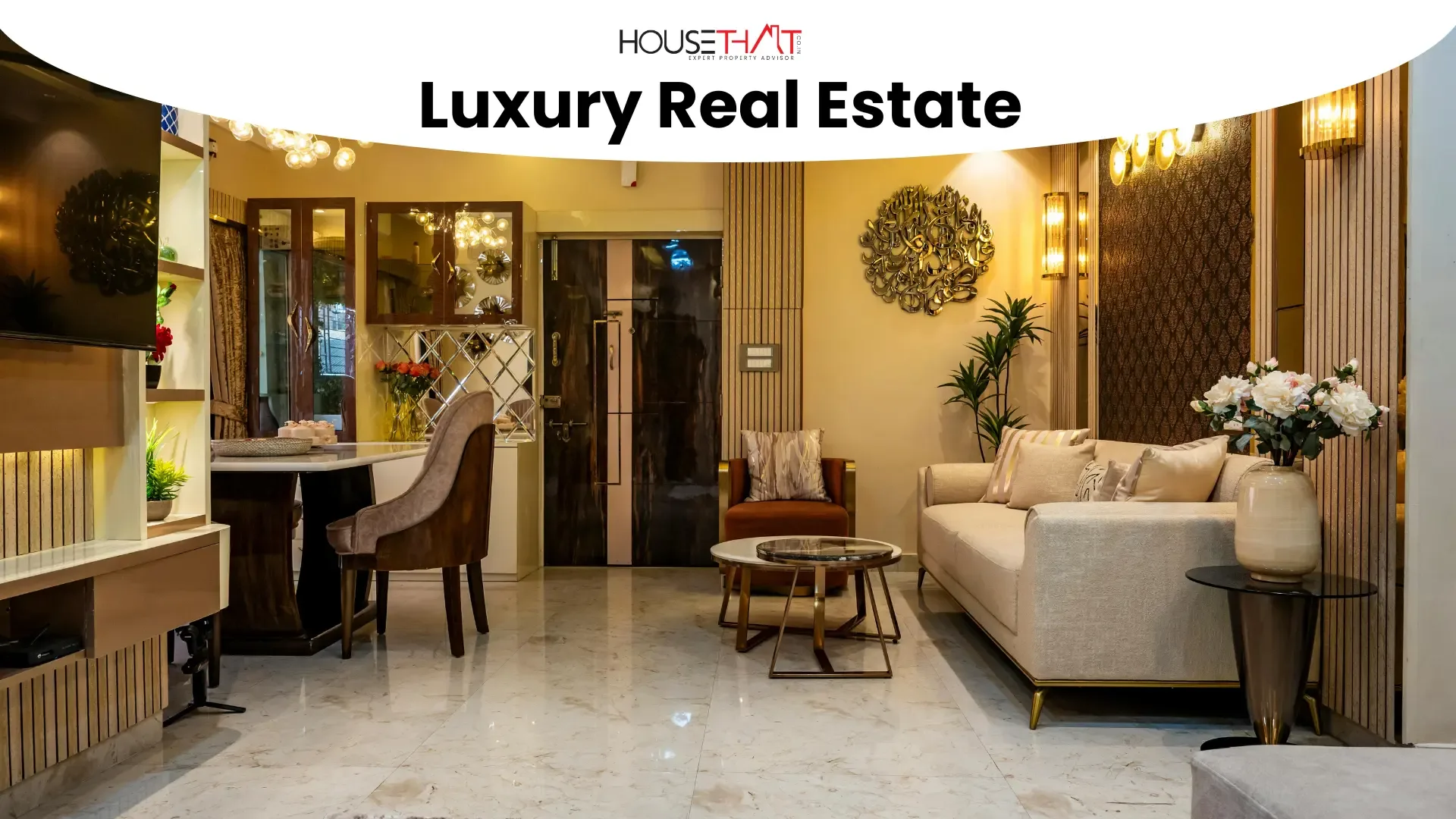
Luxury Real Estate: A Complete Guide to Premium Property, Lifestyle, and Long-Term Value
Luxury real estate is more than expensive property. It represents exclusivity, location, architectural quality, lifestyle convenience, privacy, security, and long-term value. This article explores what defines luxury real estate, what buyers expect, how investors evaluate premium homes, and why the market continues to attract high-net-worth individuals worldwide.
Luxury Real Estate: A Complete Guide to Premium Property, Lifestyle, and Long-Term Value
Overview
Luxury real estate has always occupied a special place in the property market. It is not simply about high prices or large homes. True luxury real estate combines exceptional location, refined design, privacy, superior construction, personalized amenities, and a lifestyle that standard residential properties cannot easily provide. For some buyers, it is a primary residence that reflects achievement and personal taste. For others, it is a vacation retreat, a generational asset, or a strategic investment in a scarce and desirable market.
The meaning of luxury changes from one city to another. A luxury apartment in New York, London, Dubai, Singapore, or Mumbai may be defined by skyline views, concierge service, branded interiors, and proximity to business districts. A luxury villa in the Mediterranean, Bali, the Caribbean, or Southern California may be defined by ocean frontage, resort-style amenities, landscape design, and complete privacy. Yet across all regions, luxury real estate shares a common foundation: it offers something rare, highly desirable, and difficult to replicate.
In today’s market, luxury buyers are more informed than ever. They are not satisfied with size alone. They expect intelligent layouts, wellness features, advanced security, sustainable materials, smart-home systems, strong resale value, and access to world-class services. As a result, developers, architects, and real estate advisors must understand that luxury is no longer just visual. It is experiential, functional, emotional, and financial.
What Defines Luxury Real Estate?
Luxury real estate is often associated with price, but price alone does not make a property luxurious. A property may be expensive because of land scarcity, market inflation, or location, but it becomes luxury real estate only when it delivers a superior ownership experience.
The first defining factor is location. Premium properties are usually found in prestigious neighborhoods, waterfront districts, private islands, golf communities, mountain resorts, cultural capitals, or financial hubs. Location provides more than convenience. It shapes lifestyle, social status, privacy, and future demand. A smaller residence in an elite neighborhood can often command more value than a larger home in a less desirable area.
The second factor is architectural quality. Luxury homes are usually designed with intention. They may include custom floor plans, grand entrances, double-height living spaces, natural stone, hardwood, imported fixtures, designer lighting, and seamless indoor-outdoor transitions. The design must feel elegant, but it must also function beautifully.
The third factor is exclusivity. Scarcity plays a major role in luxury real estate. A penthouse with private elevator access, a beachfront estate with direct sand access, or a historic mansion in a protected district cannot be mass-produced. The fewer comparable properties available, the stronger the luxury appeal.
The final factor is privacy and security. High-net-worth buyers value discretion. Gated entrances, biometric access, private lifts, security staff, surveillance systems, and controlled visitor access are common in luxury properties. The ability to live comfortably without unwanted exposure is a major part of the premium experience.
Why Luxury Real Estate Remains Attractive
Luxury real estate continues to attract global buyers because it provides both lifestyle enjoyment and asset protection. Unlike many consumer purchases, premium property can appreciate over time, especially when located in markets with limited supply and strong demand.
For wealthy individuals, luxury real estate often serves several purposes at once. It is a residence, a personal retreat, a store of wealth, a family legacy, and sometimes an income-generating asset. In global cities, prime properties may also provide access to business networks, education, healthcare, culture, and international mobility.
Another reason luxury real estate remains attractive is emotional value. People do not buy luxury homes only through financial logic. They buy views, atmosphere, privacy, design, memories, and identity. A sea-facing villa, a ski chalet, a penthouse overlooking a landmark, or a countryside estate can become part of a family’s story. This emotional attachment supports demand even when broader property markets fluctuate.
Luxury real estate also benefits from scarcity. There are only so many homes on a particular coastline, only so many penthouses in a landmark building, and only so many historic estates in protected neighborhoods. When demand rises but supply cannot expand easily, premium properties often retain value better than ordinary housing.
Key Features Buyers Expect in Luxury Real Estate
Modern buyers expect luxury real estate to deliver comfort, technology, wellness, and personalization. The traditional idea of luxury focused heavily on marble floors, chandeliers, large rooms, and decorative finishes. Those features still matter in some markets, but today’s buyers are looking deeper.
Smart-home technology is now a standard expectation. Buyers want integrated systems for lighting, climate control, security, entertainment, curtains, irrigation, and energy monitoring. These systems should be easy to use and discreetly installed. Technology should enhance comfort without making the home feel complicated.
Wellness amenities are also increasingly important. Luxury buyers want homes that support physical and mental well-being. This may include spa bathrooms, saunas, steam rooms, yoga studios, meditation gardens, air purification systems, water filtration, circadian lighting, cold plunge pools, and private gyms. In luxury developments, wellness centers often rival five-star resorts.
Outdoor space is another major priority. Terraces, balconies, gardens, courtyards, rooftop decks, infinity pools, outdoor kitchens, and fire lounges add tremendous value. Since many buyers now spend more time at home, outdoor living has become central to the luxury lifestyle.
Customization is another defining feature. High-end buyers often want the ability to personalize interiors, finishes, kitchens, wardrobes, lighting, and entertainment spaces. A luxury home should feel tailored, not generic. Even in large developments, the best luxury residences offer options for bespoke design.
The Role of Location in Luxury Real Estate
Location is the foundation of value in luxury real estate. A premium property in the wrong location may struggle to hold its value, while a modestly sized residence in a world-class location can become extremely desirable.
Prime locations usually offer a combination of prestige, convenience, beauty, and security. In urban markets, buyers may prioritize proximity to financial districts, luxury retail, fine dining, private schools, art galleries, hospitals, airports, and cultural institutions. In resort markets, buyers may prioritize beach access, mountain views, marina facilities, golf courses, privacy, and climate.
Neighborhood reputation matters greatly. Luxury buyers often seek addresses that carry social recognition. Certain streets, towers, gated communities, and districts become brands in themselves. Owning property there communicates status and taste.
Accessibility is another key consideration. A remote estate may offer privacy, but it must still be practical. Buyers often want easy access to airports, helipads, private roads, medical facilities, and lifestyle services. The best luxury real estate balances seclusion with convenience.
Luxury Real Estate as an Investment
While lifestyle is a major motivation, many buyers also view luxury real estate as an investment. Premium property can preserve wealth, diversify portfolios, and generate rental income in select markets.
However, luxury real estate investing requires careful analysis. The buyer should evaluate location quality, supply constraints, market liquidity, developer reputation, construction standards, maintenance costs, tax obligations, rental regulations, and resale potential. A beautiful home is not automatically a strong investment.
Liquidity is especially important. Luxury properties can take longer to sell than mid-market homes because the buyer pool is smaller. This does not mean they are poor investments, but it means investors should plan for longer holding periods. The strongest assets are those with enduring appeal: waterfront land, central penthouses, architect-designed villas, branded residences, and homes in globally recognized destinations.
Capital preservation is another reason investors choose luxury real estate. In uncertain economic environments, tangible assets in prime locations can feel more secure than volatile financial instruments. Land and well-located property have intrinsic utility, which gives them lasting appeal.
Design Trends in Luxury Real Estate
Design trends in luxury real estate continue to evolve. Today’s premium homes are less about excessive ornamentation and more about refined comfort, natural materials, flexibility, and quiet sophistication.
Open-plan living remains popular, but buyers increasingly want balance. They appreciate large social spaces, but they also want private rooms for work, reading, fitness, media, and guests. Flexible layouts are valuable because modern households use homes in multiple ways.
Natural materials are highly desirable. Stone, wood, linen, leather, clay, bronze, and textured plaster create warmth and authenticity. Buyers are moving away from overly glossy interiors and toward spaces that feel calm, tactile, and timeless.
Indoor-outdoor design is another major trend. Sliding glass walls, shaded terraces, internal courtyards, water features, and garden views help connect the home to nature. In warm climates, this connection defines the entire living experience.
Another trend is the rise of branded residences. These properties are associated with luxury hotel groups, fashion houses, automotive brands, or renowned designers. Buyers are attracted to branded residences because they offer service, design consistency, prestige, and professional management.
The Importance of Privacy and Security
Privacy is one of the strongest selling points in luxury real estate. Buyers at the top end of the market may include entrepreneurs, celebrities, executives, politicians, athletes, and families who simply value discretion. They do not want constant exposure.
A private property may include gated access, long driveways, mature landscaping, perimeter walls, security cabins, private elevators, soundproofing, and carefully positioned windows. In urban buildings, privacy may come from limited residences per floor, direct elevator entry, secure parking, and discreet staff circulation.
Security systems should be advanced but unobtrusive. Cameras, alarms, biometric access, motion sensors, smart locks, and control rooms can protect residents without making the home feel institutional. The best security design blends into the architecture.
Digital privacy is also becoming more relevant. Smart homes collect data and connect to networks, so cybersecurity is increasingly important. Luxury homeowners should ensure that smart systems are professionally installed, regularly updated, and protected from unauthorized access.
How Buyers Should Evaluate Luxury Real Estate
Buying luxury real estate requires a more detailed process than buying an ordinary home. The stakes are higher, the properties are more complex, and the market is less transparent.
The first step is defining the purpose of the purchase. Is the property a primary residence, vacation home, rental asset, retirement home, or long-term investment? The answer will influence location, size, amenities, layout, and budget.
The second step is choosing the right advisor. Luxury real estate transactions often involve off-market listings, confidential negotiations, international buyers, legal structures, and complex due diligence. A skilled real estate advisor with local expertise can provide access and negotiation support.
The third step is evaluating comparable sales. Asking prices in the luxury segment can be ambitious. Buyers should review recent transactions, not just active listings. True market value depends on what qualified buyers have actually paid for similar properties.
The fourth step is inspecting construction quality. Luxury finishes can hide structural weaknesses. Buyers should review engineering, waterproofing, electrical systems, plumbing, HVAC, roofing, drainage, smart-home infrastructure, and maintenance history. Independent inspections are essential.
The fifth step is understanding ownership costs. Luxury properties often come with high maintenance expenses, service charges, property taxes, insurance, staffing costs, landscaping, pool maintenance, security, and renovation budgets. Buyers should calculate annual carrying costs before committing.
Mistakes to Avoid When Buying Luxury Real Estate
One common mistake is focusing only on size. A large home in a weak location may not perform as well as a smaller home in a prime address. Luxury buyers should prioritize quality, scarcity, and lifestyle fit over square footage alone.
Another mistake is ignoring maintenance. Large estates, beachfront homes, and high-tech residences require ongoing care. Salt air, humidity, landscaping, pools, elevators, automation systems, and specialty finishes can create significant costs. A buyer should understand the full operational responsibility.
A third mistake is overpersonalization. Custom design is part of luxury, but extreme personalization can hurt resale value. Unusual layouts, highly specific décor, or impractical features may reduce buyer appeal later. The best luxury real estate balances individuality with timelessness.
Another mistake is failing to verify the developer or builder. In new developments, buyers should examine the track record, delivery history, construction quality, financial strength, and after-sales service of the developer. Marketing materials can be impressive, but execution matters more.
Buyers should also avoid rushing into emotional decisions. Luxury homes are designed to impress. Views, staging, lighting, and décor can create strong emotional responses. A disciplined buyer should still review documents, legal title, zoning, service charges, restrictions, and market data.
Selling Luxury Real Estate
Selling luxury real estate requires a different strategy from selling standard property. The buyer pool is smaller, expectations are higher, and presentation matters enormously.
Professional photography, cinematic video, drone footage, floor plans, virtual tours, and carefully written descriptions are essential. Luxury buyers often begin their search online, and first impressions determine whether they request a private viewing.
Staging can also influence results. Even beautiful homes benefit from styling that highlights space, light, flow, and lifestyle. The goal is not to make the home look generic but to help buyers imagine themselves living there.
Pricing strategy is critical. Overpricing can cause a luxury property to sit on the market too long, which may create the impression that something is wrong. Underpricing can leave money on the table. The best approach is based on comparable sales, current competition, property uniqueness, and seller timeline.
Confidential marketing may be appropriate for some luxury properties. High-profile sellers may prefer private networks, qualified buyer databases, and discreet outreach rather than public advertising. Off-market selling can protect privacy, though it may limit exposure.
International marketing can also be important. Many luxury real estate buyers search across borders. A property in Dubai, London, Miami, Singapore, Monaco, or the French Riviera may attract buyers from multiple countries. Marketing materials should speak to both local and global demand.
The Future of Luxury Real Estate
The future of luxury real estate will be shaped by technology, wellness, sustainability, mobility, and personalization. Buyers will continue to seek beautiful homes, but they will also expect intelligence, efficiency, resilience, and service.
Smart homes will become more integrated and intuitive. Instead of separate systems for lighting, climate, security, and entertainment, luxury residences will offer unified platforms that learn resident preferences. Voice control, automation, energy optimization, and predictive maintenance will become more common.
Wellness will remain a major driver. Homes will increasingly include health-focused design, better air quality, natural light, acoustic comfort, biophilic interiors, spa zones, fitness areas, and spaces for mental restoration. Luxury buyers will expect their homes to support longevity and well-being.
Sustainability will become a stronger marker of prestige. Wasteful luxury is losing appeal in many markets. The next generation of buyers is more likely to value energy efficiency, responsible materials, climate resilience, and low-impact design. A sustainable luxury home can offer both ethical appeal and practical savings.
Service will become even more important. Branded residences, managed villas, private clubs, and hospitality-style communities are likely to grow because buyers want convenience. They want homes that are easy to own, easy to maintain, and easy to enjoy.
Conclusion
Luxury real estate is a complex and fascinating segment of the property market. It blends architecture, lifestyle, finance, privacy, design, and emotion. The best luxury properties are not defined by price alone. They are defined by rarity, location, craftsmanship, comfort, security, and the quality of life they provide.
For buyers, luxury real estate offers the opportunity to own something exceptional. It can be a home, a retreat, a legacy asset, and an investment. For investors, it can provide portfolio diversification and long-term value when chosen carefully. For sellers and developers, success depends on understanding what modern luxury buyers truly want: authenticity, service, wellness, sustainability, privacy, and timeless appeal.
As buyer expectations evolve, the luxury real estate market will continue to move beyond superficial extravagance. The future belongs to properties that combine beauty with intelligence, exclusivity with comfort, and prestige with purpose. Whether in a global city, a coastal destination, a mountain retreat, or a private gated community, true luxury real estate will always be about more than ownership. It will be about living exceptionally well.
FAQs
Que: What is luxury real estate?
Ans: Luxury real estate refers to premium property that offers exceptional location, design, amenities, privacy, security, and lifestyle value. It is usually priced above the average market, but true luxury depends on quality, rarity, and overall experience, not price alone.
Que: Is luxury real estate a good investment?
Ans: Luxury real estate can be a strong investment when the property is in a prime location, has limited supply, offers timeless design, and appeals to high-net-worth buyers. However, investors should carefully assess liquidity, maintenance costs, taxes, rental potential, and resale demand.
Que: What features do luxury home buyers look for?
Ans: Luxury buyers often look for prime locations, beautiful views, high-end finishes, smart-home technology, wellness amenities, outdoor living areas, privacy, security, spacious layouts, sustainable design, and access to premium services.
Que: How is luxury real estate different from regular real estate?
Ans: Regular real estate primarily focuses on basic housing needs, affordability, and location convenience. Luxury real estate goes further by offering exclusivity, architectural distinction, superior materials, advanced amenities, privacy, personalized comfort, and prestige.
Que: What should I check before buying luxury real estate?
Ans: Before buying luxury real estate, check the location, legal title, construction quality, developer reputation, comparable sales, maintenance costs, security systems, resale potential, tax obligations, and long-term market demand.