
Why Is Noida Sector 150 So Expensive?

Why Is Noida Sector 150 So Expensive?
Discover why Noida Sector 150 commands a premium, from its green, low-density planning and expressway connectivity to premium housing and the Jewar airport growth story. Learn what buyers should check before investing.
Why Is Noida Sector 150 So Expensive?
Open surroundings, lower-density planning, expressway access and premium housing give Sector 150 a distinct place in Noida’s property market. Here is what buyers are paying for—and what they should verify before buying.
Sector 150 is often described as one of Noida’s greener, more spacious residential pockets. Its appeal is not one single feature. Buyers are weighing a quieter setting, large apartment communities, road connectivity and a sports-led planning vision, along with the expectation that the wider Jewar airport corridor will grow.
When these advantages come together, the sector can command a premium over locations with denser construction or less complete infrastructure.
1. Open Space Is Part of the Value
In a dense city, open space has practical value. Sector 150 is known for its landscaped surroundings and lower-density character. Its Sports City scheme is intended to retain a significant share of land for sports, recreation and open uses instead of allocating everything to housing.
In October 2026, Noida Authority told the Supreme Court that it had approved a revised layout for the 300-acre Sports City project, reserving 70% of the land for sports-related infrastructure.
This planning vision appeals to families who want room for children to play, paths for walking and a less congested residential environment. Buyers increasingly compare a home by more than bedroom count: they also look at the space between towers, internal roads, landscaping and the quality of shared facilities.
Where open surroundings are limited, a green, recreation-led neighbourhood can support higher prices.
There is an important distinction, though: land earmarked for a facility is not the same as a completed facility. Visit the exact project, check what is operating today and confirm who is responsible for each promised amenity. A master plan sets direction; delivery takes time and project-specific approvals.
2. Lower-Density Planning Is Hard to Replicate
Many buyers prefer Sector 150’s more open layout to the high-footfall feel of older, crowded locations. A lower-density environment can mean fewer homes sharing facilities and more breathing room around towers. The exact experience depends on the project.
It is a scarce feature: once an area is built, adding broad green buffers is difficult. Homebuyers may pay more for a calm setting they can enjoy every day. Landscaping and maintenance matter, because neglected common areas quickly weaken that value.
3. Expressway Access Connects the Sector to Jobs and Services
Sector 150 sits alongside the Noida–Greater Noida Expressway, a major road corridor serving offices, institutions and residential districts. The Yamuna Expressway and other regional routes connect onward toward Greater Noida and Jewar.
For people who drive, this network provides route options to reach parts of Noida and the wider NCR without travelling through the centre of the city first.
Commute time still depends on peak-hour traffic, access roads, junctions and the destination. Test the journey to work or school at your normal travel time; this road-based location will not suit every commute equally well.
The Noida International Airport at Jewar adds a future-facing element to the location story. Airport access projects and the development of the wider Yamuna Expressway region have shaped buyer sentiment.
Sector 150 is positioned on this broader growth axis, so some buyers are willing to pay today for the possibility of improved access and more economic activity tomorrow.
But airport-led price growth is not automatic. It depends on usable transport links, employment, commercial development, housing supply and actual buyer demand.
4. Newer Premium Projects Lift the Sector’s Image
Sector 150 has several projects aimed at buyers looking for larger apartments, club facilities, landscaped grounds and sports amenities. A well-designed community with dependable construction, good maintenance and a credible handover record may command more than a basic apartment in a less established area.
As established developers deliver homes, buyers may compare the sector with other premium Noida neighbourhoods, supporting higher asking prices.
Still, check construction, usable area, maintenance charges, occupancy, resident feedback and the amenities listed in the agreement. A facility in a rendering may not be ready.
5. Asking Prices Include Expectations
Property portals in 2026 show a broad spread of advertised prices. One platform lists Sector 150 flats around ₹11,600–₹15,700 per sq. ft.; another reports an average listing figure near ₹13,254 per sq. ft.
These are indicative asking-price figures, not an official rate or a promise of the final sale price. Values vary by tower, floor, view, furnishing, possession status, payment terms and negotiation.
Prices also include expectations about future development. Expressway access, the airport corridor and the Sports City vision all influence what buyers think the area could become.
In real estate, expectations can be reflected in prices before every benefit is visible. That may support demand, but it also means a buyer should be cautious about assuming quick appreciation. Delays, high borrowing costs, affordability limits or competing supply can affect returns.
6. The Sports City History Makes Due Diligence Essential
Sector 150’s premium story has a complicated side. The Sports City scheme faced years of regulatory delays and uncertainty. The revised layout approval reported in October 2026 is a significant step, but it does not mean every plot, facility or delayed project is complete.
Further approvals and project-specific steps may remain. Progress in one development should not be assumed to apply to another.
Before buying, verify the following:
- Project RERA registration and details.
- Property title and applicable approvals.
- Occupancy certificate or completion certificate.
- Registry eligibility.
- Pending dues and maintenance charges.
- Construction status and possession timeline.
Ask for documents in writing. If a project was delayed or affected by the Sports City issues, consider independent legal advice before paying a booking amount. The sector’s open planning has value only if the home itself is legally and practically secure.
So, Is the Premium Justified?
Sector 150 costs more because it combines a relatively open setting, a sports-oriented planning vision, newer premium homes and expressway access. The airport-region growth story adds another reason for buyers to consider it.
Together, these factors attract families seeking space and buyers looking toward long-term infrastructure development.
Whether a home is worth its price depends on the particular project, not just the sector’s reputation. Compare similar homes, check the documents, test the commute and separate amenities available now from facilities still planned.
Sector 150 may suit a buyer who values space and intends to stay for the long term. It may be less suitable for someone who needs a lower entry price, immediate access to central Noida or a quick, guaranteed return.
The best decision comes from judging the home as carefully as the location story.
Frequently Asked Questions
Is Sector 150 Noida the City’s Most Expensive Sector?
Not necessarily. It is a premium micro-market, but prices vary across Noida and within Sector 150. Project, unit size, floor, view, possession status and amenities all matter. Compare similar homes rather than relying on one locality average.
Does the Sports City Approval Mean All Facilities Are Ready?
No. Recent reporting says the revised plan reserves 70% of the 300-acre scheme for sports-related uses. This is a planning allocation, not proof that each facility is built or open. Check the status of the particular amenity and project, ideally with the developer and authority records. Do not rely only on a sales brochure or verbal assurance.
Will Jewar Airport Guarantee Higher Prices?
No. Airport infrastructure may improve access and encourage activity, but appreciation depends on transport links, jobs, housing supply, affordability and demand. Future growth is possible, not assured.
What Should I Verify Before Buying?
Check RERA details, title and approvals, possession documents, registry eligibility, construction quality, dues, maintenance costs and your commute. Ask for copies and verify them independently. For a delayed or affected project, get legal advice before paying.
More Related Blogs

Gulshan Empire Ghaziabad: What to Know About These Luxury Apartments
Explore Gulshan Empire in Wave City, Ghaziabad—review 3 and 4 BHK apartment options, planned amenities, location details and key points...
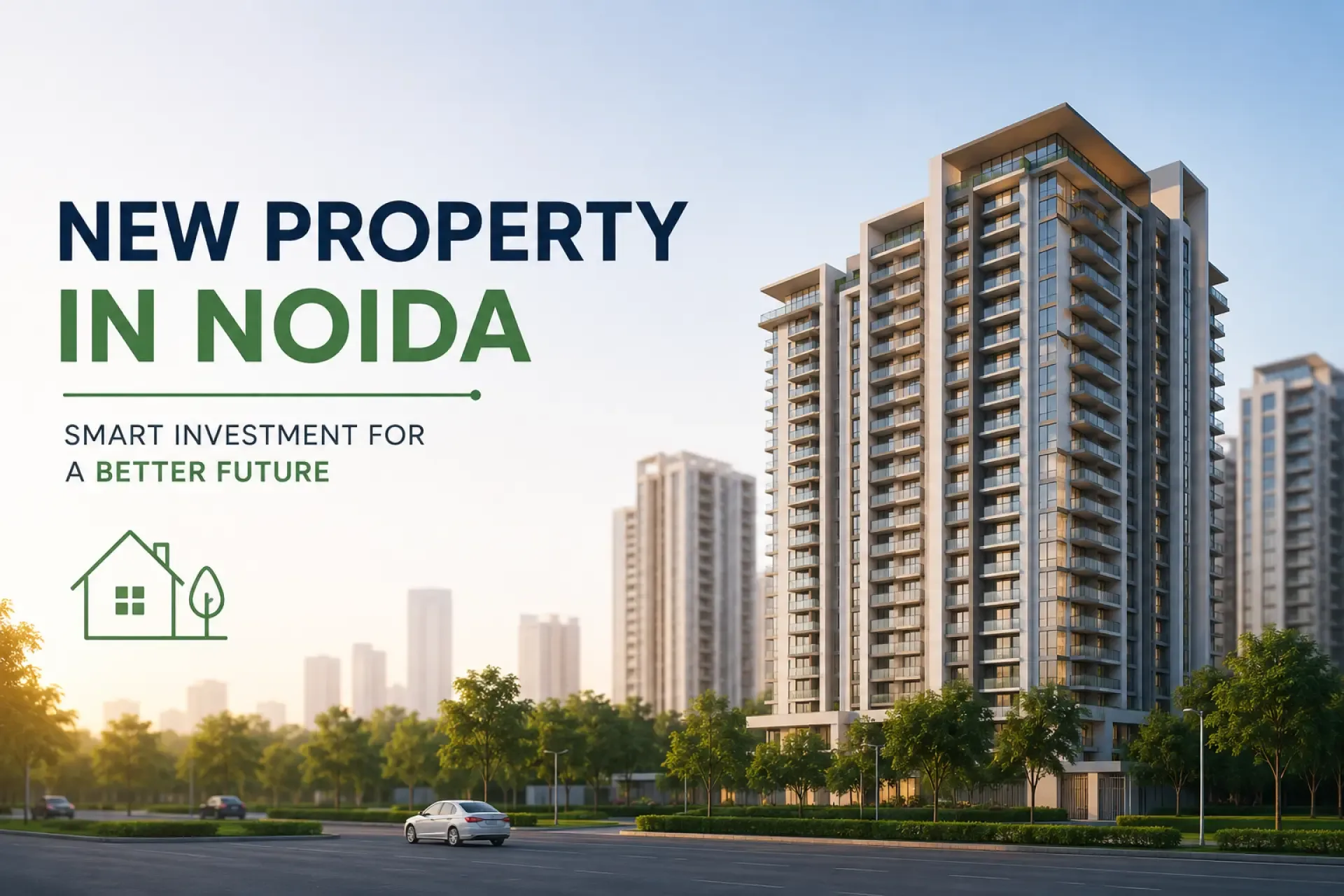
Sector 150 Noida Property Guide: Prestige Bougainvillea Gardens
Prestige Bougainvillea Gardens Sector 150, Noida: explore location, connectivity, amenities, floor plans, property costs and essential homebuyer checks before booking.

Exploring Prestige Bougainvillea Gardens in Noida | Floor Plan & Brochure
Explore Prestige Bougainvillea Gardens Sector 150 floor plans and brochure details. Learn about apartment layouts, carpet area, ventilation, specifications and...
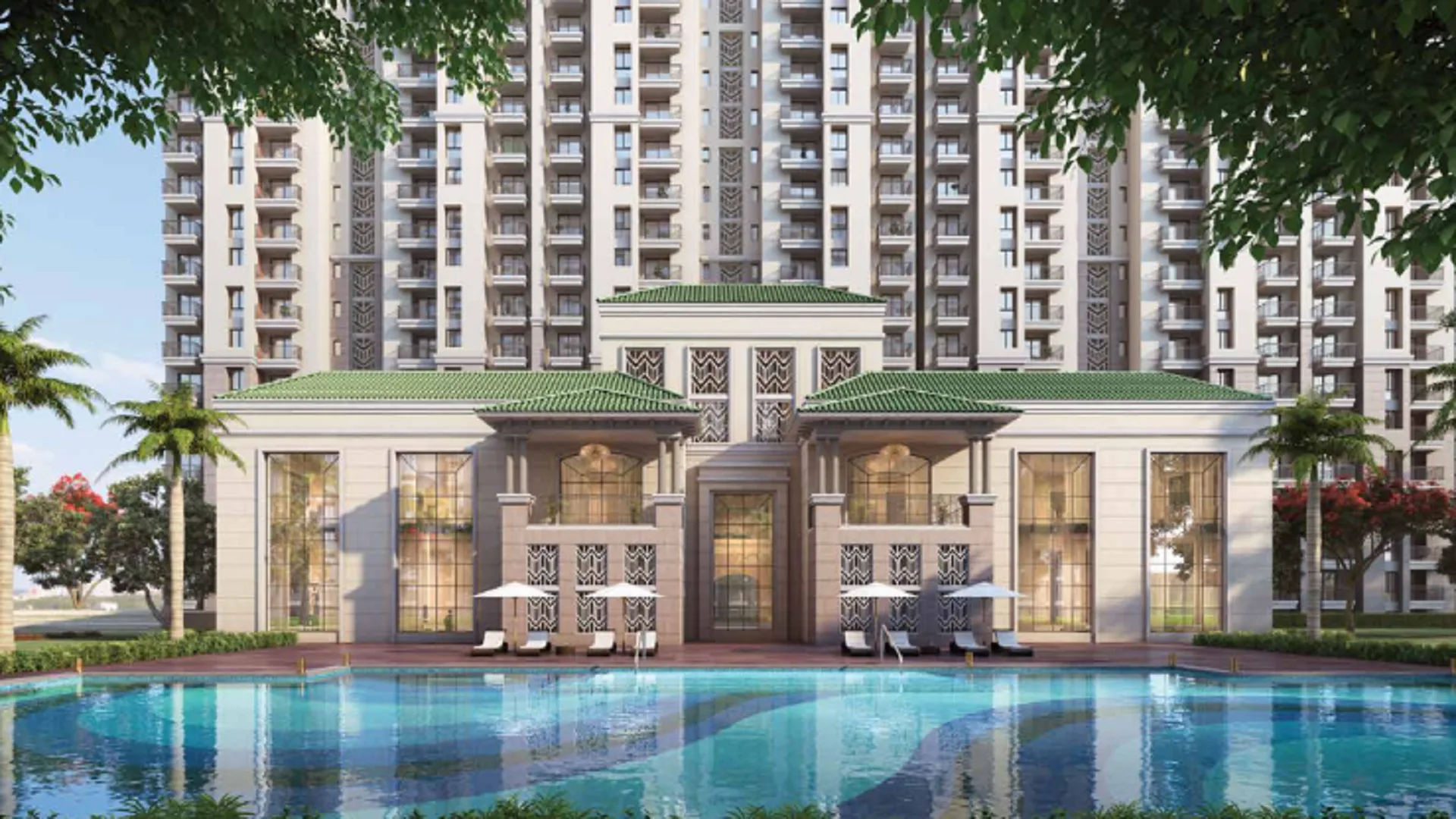
Prestige Bougainvillea Gardens Sector 150: A Buyer’s Guide | Price List
Explore the indicative starting price of Prestige Bougainvillea Gardens Sector 150, additional costs, apartment configurations, location, project verification and buyer...