Ultra Luxury Homes

Ultra Luxury Homes
Explore ultra luxury homes and learn how to evaluate premium locations, architecture, amenities, privacy, security, pricing, legal documentation, and long-term investment potential.
Introduction
The luxury real estate market has evolved significantly as buyers increasingly look for residences that offer more than space and premium finishes. Today, ultra luxury homes are designed around exclusivity, privacy, sophisticated architecture, advanced technology, premium amenities, and highly personalized living experiences.
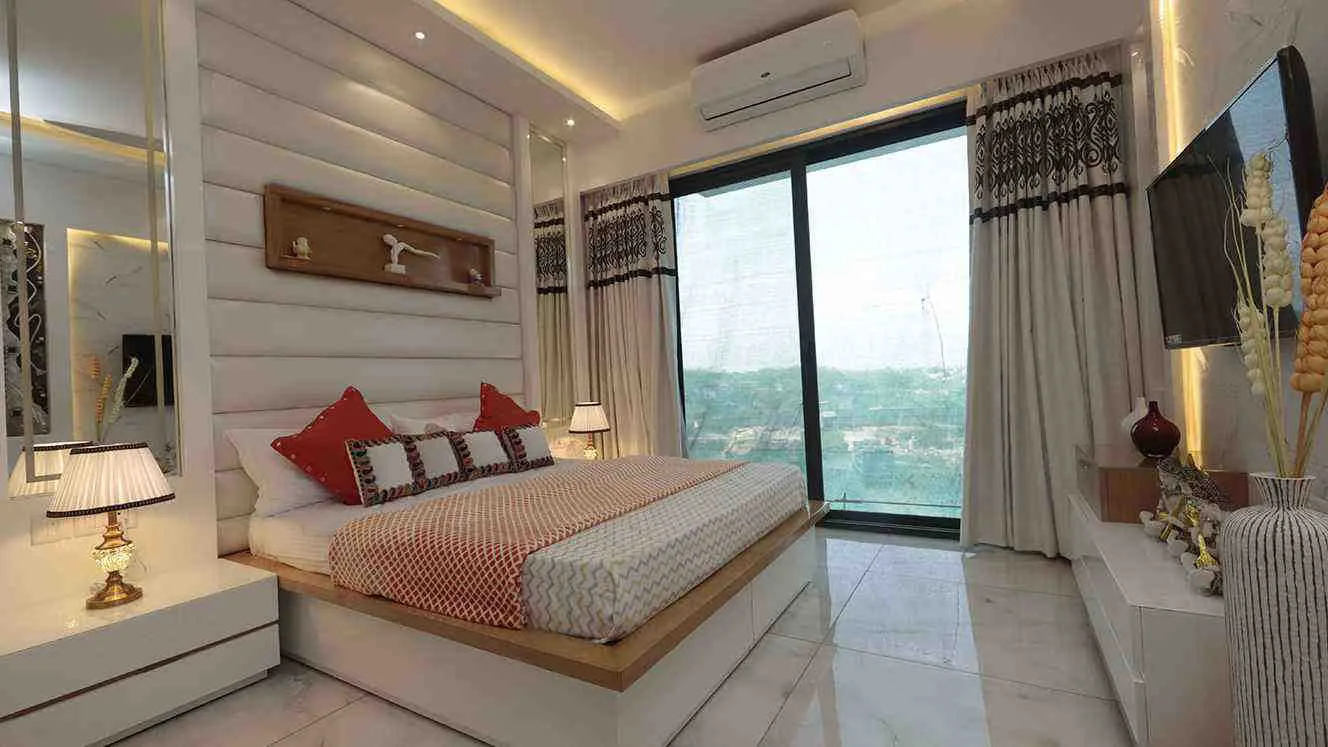
For high-net-worth buyers, purchasing a luxury residence is often about finding a property that reflects their lifestyle while also providing comfort, security, convenience, and long-term value. An ultra-luxury residence may feature expansive floor plans, private landscaped spaces, designer interiors, smart-home systems, private elevators, premium kitchens, wellness areas, large terraces, panoramic views, and carefully curated community amenities.
However, buying a luxury property requires a different level of evaluation compared with a standard residential purchase. A premium price does not automatically guarantee superior construction, location, privacy, or future value. Buyers need to look beyond impressive interiors and assess the property's location, architecture, construction quality, developer or seller credentials, legal documentation, maintenance structure, security, and overall ownership experience.
Whether you are searching for a luxury apartment, penthouse, villa, estate, or premium independent residence, this guide explains the important factors to consider when exploring ultra luxury homes.
What Are Ultra Luxury Homes?
Ultra luxury homes represent the highest segment of the residential real estate market. They are generally differentiated from conventional luxury properties through a combination of exceptional location, larger spaces, superior materials, distinctive architecture, advanced technology, privacy, personalized services, and exclusive amenities.
The exact definition of ultra luxury varies by city and market. A property considered ultra-luxury in one location may fall into a different market segment elsewhere.
Common characteristics can include:
Expansive living areas
Premium architectural design
High-quality construction materials
Designer interiors
Large bedrooms and suites
Private terraces
Landscaped gardens
Private swimming pools
Private elevators
Home automation
Advanced security systems
Dedicated parking
Concierge services
Wellness and fitness facilities
Clubhouses
High levels of privacy
Premium views and surroundings
The most important characteristic, however, is not simply the number of features. True ultra-luxury is generally about the quality, exclusivity, design, privacy, and overall experience provided by the residence.
Why Buyers Choose Ultra Luxury Homes
There are several reasons why buyers consider ultra-luxury real estate.
Privacy
Privacy is often one of the most valuable features for affluent buyers. Ultra-luxury residences may provide private entrances, controlled access, limited-density communities, spacious layouts, and private outdoor areas.
For buyers who value discretion and personal space, privacy can be more important than the number of amenities available.
Space
Premium homes often provide significantly more usable space than conventional residential properties.
Large living rooms, dining areas, bedrooms, family lounges, study rooms, entertainment spaces, staff areas, terraces, and outdoor spaces can make the residence more suitable for families who prefer expansive environments.
Exclusivity
An ultra-luxury development may have a limited number of residences, premium configurations, or exclusive services.
Lower density can create a more private and peaceful living environment.
Premium Lifestyle
Luxury residences are often designed around lifestyle requirements. Residents may have access to wellness facilities, fitness centers, landscaped spaces, entertainment areas, clubhouses, concierge services, and other premium facilities.
Long-Term Ownership
For some buyers, the property is not simply a residence but an asset intended to remain in the family for many years.
This makes location, construction quality, architecture, legal clarity, and long-term maintenance particularly important.
Choosing the Right Location for Ultra Luxury Homes
Location remains one of the most important factors in luxury real estate.
An expensive property in an inconvenient or poorly developed location may not provide the same lifestyle or long-term market appeal as a premium property in an established and strategically located neighborhood.
When evaluating locations for ultra luxury homes, consider the following factors.
Connectivity
Examine access to major roads, highways, airports, business districts, public transportation, and important destinations.
Luxury buyers often value convenience and time efficiency. A premium residence with excellent connectivity can provide a practical advantage for owners who travel frequently.
Neighborhood Quality
The surrounding environment should complement the property's positioning.
Look for:
Clean surroundings
Well-maintained roads
Established infrastructure
Low congestion where possible
Quality residential communities
Parks and green spaces
Premium retail
Fine dining
Healthcare facilities
International schools
Business centers
Prestige of the Location
Certain neighborhoods develop a reputation as premium residential destinations. Such locations can attract affluent buyers because of their established infrastructure, exclusivity, social environment, and limited availability of premium land.
However, buyers should evaluate actual property fundamentals rather than purchasing solely because an area is marketed as prestigious.
Architecture and Design
Architecture is a major distinguishing factor when evaluating ultra luxury homes.
A premium residence should offer more than expensive materials. Its design should provide functionality, privacy, natural light, ventilation, efficient space utilization, and a strong relationship between indoor and outdoor spaces.
Look at:
Building design
Floor-plan efficiency
Ceiling heights
Window placement
Natural lighting
Ventilation
Views
Private spaces
Outdoor areas
Entrance design
Interior flow
Materials
Finishing quality
Large spaces are valuable only when they are designed effectively.
A well-planned luxury home can feel more comfortable and functional than a larger property with an inefficient layout.
Premium Interiors
Interior quality is another important consideration.
When viewing ultra luxury homes, examine the quality of materials and workmanship rather than focusing only on visual appeal.
Potential features include:
Imported or premium flooring
Designer kitchens
High-end bathroom fittings
Custom cabinetry
Premium woodwork
Large-format tiles
Designer lighting
Bespoke furniture
Walk-in wardrobes
Premium appliances
Acoustic treatments
Decorative finishes
Ask about the brands, warranties, maintenance requirements, and replacement availability of important systems and fixtures.
A visually impressive interior can lose its appeal if materials are difficult to maintain or replace.
Smart Home Technology
Technology has become an important component of modern luxury residences.
Depending on the property, smart-home systems may control:
Lighting
Air conditioning
Curtains
Security
Entertainment systems
Door access
Appliances
Temperature
Energy management
A sophisticated smart-home system should be easy to operate and maintain.
Before purchasing, understand whether the technology is standardized, upgradeable, compatible with commonly available systems, and supported by reliable service providers.
Technology should enhance the living experience rather than make the property unnecessarily complicated.
Security and Privacy
Security is particularly important in the ultra-luxury segment.
Potential security features can include:
Controlled access
CCTV surveillance
Security personnel
Video door systems
Private entrances
Secure parking
Visitor management
Emergency response systems
Smart access control
Ask how security is managed throughout the property and whether residents have different levels of access.
For independent villas or estates, also consider perimeter security and private security arrangements.
Premium Amenities
Amenities can significantly enhance the appeal of ultra luxury homes, but buyers should evaluate their quality and usefulness.
Possible amenities include:
Private swimming pools
Clubhouses
Fitness centers
Spa facilities
Yoga rooms
Landscaped gardens
Sports courts
Entertainment lounges
Private theaters
Children's areas
Business lounges
Concierge services
Guest facilities
Walking and jogging tracks
The quality of an amenity is generally more important than the length of the amenity list.
A project with fewer but well-maintained facilities may provide a better ownership experience than one with numerous facilities requiring high maintenance costs.
Private Outdoor Spaces
Outdoor space can add substantial value to a luxury residence.
Depending on the property type, this may include:
Private gardens
Large balconies
Rooftop terraces
Pool decks
Courtyards
Landscaped lawns
Outdoor dining areas
When evaluating outdoor areas, consider privacy, maintenance, drainage, sunlight, landscaping requirements, and usability throughout the year.
A large terrace is most valuable when it can actually be used comfortably and privately.
Evaluate the Views
Views can influence both the experience and desirability of a luxury property.
A residence overlooking greenery, a landscaped garden, a skyline, a golf course, or another premium setting may command a higher price.
However, buyers should consider whether the view is likely to remain protected.
Research potential development on nearby land. A panoramic view today may change if another building is constructed in front of the property.
Understand the Property's Pricing
Luxury properties can have significant differences in pricing even when their sizes are similar.
Price can be influenced by:
Location
Land value
Developer reputation
Architecture
Construction quality
Floor level
Views
Privacy
Amenities
Property size
Interior specifications
Parking
Exclusivity
When assessing ultra luxury homes, avoid evaluating price based only on cost per square foot.
The overall value proposition should be considered.
A premium property may justify a higher price if it offers a rare location, superior architecture, exceptional privacy, or features that are difficult to replicate.
Compare Multiple Ultra Luxury Homes
Even at the high end of the market, buyers should compare several properties before making a decision.
Create a structured comparison based on:
Factor | What to Evaluate |
Location | Accessibility and neighborhood quality |
Architecture | Design and functionality |
Size | Usable and total areas |
Privacy | Density and access control |
Interiors | Materials and workmanship |
Amenities | Quality and maintenance |
Security | Technology and personnel |
Technology | Smart-home systems |
Views | Quality and permanence |
Parking | Capacity and convenience |
Maintenance | Recurring ownership cost |
Legal status | Ownership and approvals |
Resale | Future buyer demand |
This approach helps prevent an emotional purchase based solely on presentation.
Check the Construction Quality
A luxury price should be supported by appropriate construction quality.
Inspect:
Structural condition
Flooring
Walls
Ceilings
Windows
Doors
Plumbing
Electrical systems
HVAC
Waterproofing
Elevators
Common areas
External finishes
For a new development, research the developer's construction record and inspect completed projects where possible.
For a resale property, consider an independent professional inspection.
Understand Maintenance Costs
Ownership costs do not end after purchasing ultra luxury homes.
Large residences and premium communities can have significant ongoing maintenance requirements.
Expenses may include:
Common-area maintenance
Security
Landscaping
Pool maintenance
Clubhouse charges
Elevator maintenance
Smart-home servicing
HVAC servicing
Repairs
Staff costs
Property management
Ask for an estimated annual maintenance budget before purchasing.
Understanding recurring costs can help you evaluate the true cost of ownership.
Verify Legal Documentation
Legal due diligence remains essential regardless of the property's price.
A premium property should not be purchased solely because it is being marketed by a reputed developer, broker, or seller.
Depending on the property and transaction, documents may include:
Title documents
Sale deed
Previous ownership records
Encumbrance-related records
Approved building plans
Development permissions
Property tax records
Completion documentation
Occupancy documentation, where applicable
Society or association records
Mortgage-related documents
Identity and authorization documents
The specific documentation required depends on the property and jurisdiction.
A qualified real estate lawyer should review the relevant documents before you commit to the transaction.
Verify Ownership
Ownership verification is one of the most important parts of purchasing luxury real estate.
Confirm that the seller has the legal authority to sell the property.
If multiple people own the property, determine whether all required owners are participating in the transaction.
For inherited properties, carefully review the documents establishing ownership.
If there is an existing mortgage, understand how it will be settled and how the lender's interest will be released.
Check for Outstanding Dues
Before completing the purchase, determine whether there are any outstanding obligations associated with the property.
These may include:
Property taxes
Maintenance charges
Utility bills
Society dues
Loan obligations
Other applicable charges
Obtain supporting records and clarify how outstanding amounts will be settled.
Inspect the Property Personally
Even if you discover the property online, an in-person inspection is highly recommended before making a major financial commitment.
During the visit, examine the actual:
Room dimensions
Finishes
Views
Natural light
Ventilation
Outdoor spaces
Parking
Security
Common areas
Surrounding neighborhood
For a luxury residence, consider visiting more than once.
A second visit can help you notice details that were missed during the initial viewing.
Research the Developer or Seller
If you are considering a newly developed luxury project, research the developer's history.
Review:
Previous projects
Construction quality
Delivery record
Reputation
Customer experiences
Maintenance standards
Project execution
Legal track record
For resale properties, investigate the seller's ownership history and reason for selling where appropriate.
Do not rely solely on promotional material.
Financing Ultra Luxury Homes
Some buyers purchase luxury properties using their own funds, while others use financing.
If financing is involved, understand the lender's eligibility criteria and loan structure.
Consider:
Interest rate
Loan tenure
Loan-to-value requirements
Processing charges
Prepayment conditions
Monthly repayment
Total interest
Other applicable costs
High-value properties may require a different financing strategy from standard residential purchases.
Before finalizing the property, ensure that the financing structure aligns with your broader financial plan.
Tax and Ownership Considerations
Purchasing a high-value property can involve significant financial and tax considerations.
Buyers should understand applicable:
Stamp duty
Registration charges
Property taxes
Capital gains implications
Income tax considerations
Financing-related tax rules
Other government charges
The exact tax treatment depends on the nature of the transaction and applicable laws.
For significant purchases, professional tax and financial advice can help you understand your obligations.
Negotiating the Price
Even in the ultra-luxury segment, negotiation can be possible.
Before negotiating, research comparable properties and understand the seller's circumstances.
Consider:
Property demand
Time on market
Condition
Location
Unique features
Market conditions
Developer or seller pricing
Included furniture or fixtures
Payment schedule
Negotiation does not always need to focus exclusively on the headline price.
Buyers may also discuss:
Furniture
Appliances
Parking
Repairs
Possession
Payment terms
Maintenance-related obligations
Ensure that all agreed terms are documented in writing.
Evaluate Resale Potential
Luxury real estate can be less liquid than mainstream housing because the potential buyer pool is smaller.
When evaluating ultra luxury homes as an investment or long-term asset, consider how easily the property could appeal to future buyers.
Factors that may influence resale demand include:
Prime location
Unique architecture
Quality construction
Privacy
Reputation of the development
Maintenance standards
Views
Amenities
Property size
Limited availability of similar homes
Do not assume that a high purchase price automatically means high appreciation.
The future value of any property depends on market conditions and property-specific factors.
Consider Rental Potential
If you intend to rent the property, research the luxury rental market in the relevant location.
Evaluate:
Monthly rental demand
Tenant profile
Rental rates
Vacancy periods
Maintenance costs
Property management
Furnishing expenses
Security requirements
Luxury rental markets can have a smaller tenant pool than mainstream housing, so vacancy risk should be considered carefully.
Buy for Lifestyle, Not Just Investment
One of the biggest reasons buyers choose ultra luxury homes is lifestyle.
A luxury residence may provide:
More privacy
Larger spaces
Better amenities
Premium surroundings
Greater personalization
Enhanced security
Convenient access to important destinations
If the property is primarily intended as a personal residence, evaluate how well it fits your family's daily life.
Investment potential should not be the only consideration if your primary goal is personal enjoyment and long-term ownership.
Avoid Common Luxury Property Buying Mistakes
Focusing Only on Interiors
Premium furniture and attractive interiors can create a strong first impression, but structural quality, location, legal status, and long-term maintenance are equally important.
Ignoring Recurring Costs
A luxury property may have substantial annual maintenance expenses.
Assuming High Price Means High Quality
Price alone does not establish construction quality or legal clarity.
Skipping Legal Verification
Every property transaction requires appropriate due diligence regardless of its market segment.
Buying Because of Exclusivity Marketing
Limited inventory can create urgency, but buyers should still conduct proper research.
Ignoring Future Development
A property's surroundings can change over time. Research nearby development plans where possible.
Neglecting Resale Liquidity
An ultra-premium property may have a smaller potential buyer pool than a mainstream home.
How to Find Ultra Luxury Homes
A structured search process can make luxury property hunting more efficient.
Define Your Lifestyle Requirements
Determine your preferred size, location, architecture, amenities, privacy level, and other requirements.
Establish Your Budget
Calculate the purchase budget as well as taxes, registration, interiors, financing, and recurring maintenance costs.
Shortlist Premium Locations
Identify neighborhoods that provide the connectivity, infrastructure, privacy, and lifestyle you want.
Explore Available Properties
Search through reputable property platforms, developers, brokers, and direct seller channels.
Compare Properties
Evaluate shortlisted homes based on location, design, construction, amenities, privacy, and total cost.
Arrange Property Tours
Use virtual tours for initial screening, followed by physical inspections.
Conduct Due Diligence
Verify ownership, legal documentation, approvals, financial obligations, and property condition.
Arrange Financing
If necessary, obtain appropriate financing and understand all loan terms.
Negotiate
Use comparable properties and market information to negotiate the price and terms.
Review the Agreement
Have the transaction documents reviewed by a qualified legal professional.
Complete the Purchase
Follow the applicable payment, registration, and ownership-transfer procedures.
Ultra Luxury Homes as a Long-Term Asset
For some buyers, an ultra-luxury residence can serve multiple purposes.
It can function as:
A primary residence
A second home
A family asset
A rental property
A long-term investment
A wealth-preservation asset
However, real estate should be evaluated within the context of your broader financial objectives.
Consider purchase costs, holding costs, liquidity, financing, taxation, rental income, market cycles, and potential resale demand.
A property that offers exceptional lifestyle value may be worthwhile even when its investment characteristics differ from those of a conventional property.
Final Checklist Before Buying
Before purchasing ultra luxury homes, review the following:
Location researched
Budget established
Total acquisition cost calculated
Property type selected
Architecture evaluated
Construction quality inspected
Interior specifications reviewed
Amenities evaluated
Privacy assessed
Security reviewed
Maintenance costs understood
Seller or developer researched
Ownership verified
Legal documents reviewed
Relevant approvals checked
Outstanding dues verified
Financing arranged if required
Property physically inspected
Future development researched
Resale potential considered
Sale agreement reviewed
Registration requirements understood
All important records preserved
Conclusion
The search for ultra luxury homes is fundamentally different from a conventional property search. Buyers in this segment are often looking for a combination of architecture, space, privacy, technology, security, premium amenities, exceptional locations, and personalized lifestyle experiences.
The most expensive property is not automatically the best property. A successful purchase requires careful evaluation of the property's location, design, construction quality, privacy, amenities, maintenance structure, legal documentation, and long-term suitability.
Start by defining your lifestyle and financial requirements. Shortlist locations that provide excellent connectivity and social infrastructure, then compare properties based on their complete value proposition rather than simply their price per square foot.
Take advantage of digital tools to research projects, compare properties, explore virtual tours, and communicate with sellers. However, always combine online research with physical inspections and professional legal due diligence.
If you are purchasing the property as an investment, carefully evaluate rental demand, resale liquidity, holding costs, and broader market conditions. If your primary objective is personal use, give equal importance to comfort, privacy, convenience, design, and the overall quality of everyday living.
Ultimately, the ideal ultra luxury home is one that combines exceptional design and quality with a location and lifestyle that genuinely meet your long-term requirements.
Frequently Asked Questions
Que: What are ultra luxury homes?
Ans: Ultra luxury homes are premium residential properties positioned at the highest end of the luxury real estate market. They typically emphasize exceptional locations, expansive spaces, sophisticated architecture, premium materials, privacy, advanced technology, security, and exclusive amenities.
Que: What should I consider before buying an ultra luxury home?
Ans: Consider the location, architecture, construction quality, privacy, security, amenities, interior specifications, maintenance expenses, legal documentation, ownership, financing, resale potential, and future development around the property.
Que: Are ultra luxury homes a good investment?
Ans: They can be suitable as long-term assets, but their investment performance depends on location, purchase price, market demand, rental potential, liquidity, maintenance costs, financing, and broader real estate conditions. High price does not guarantee high appreciation.
Que: How can I verify an ultra luxury property before buying?
Ans: Inspect the property physically, verify ownership and title documents, review applicable approvals, check outstanding dues, examine construction quality, research the seller or developer, and have important legal documents reviewed by a qualified property lawyer.
Que: What makes a property truly ultra-luxury?
Ans: Beyond a high price, ultra-luxury is generally defined by a combination of prime location, exceptional architecture, spacious layouts, superior construction and finishes, privacy, security, advanced technology, exclusive amenities, and a highly refined ownership experience.