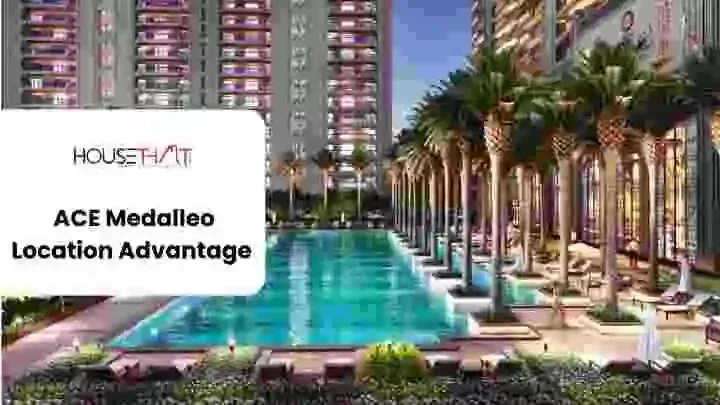
Top Luxury Residential Projects

Top Luxury Residential Projects
Discover the top luxury residential projects offering premium homes, modern amenities, exceptional architecture, smart features, enhanced security, and prime connectivity. Explore the key factors to consider when choosing a luxury residence for comfortable living and long-term value.
Introduction
Luxury residential projects have become a significant part of India's rapidly evolving real estate market. Homebuyers are increasingly looking beyond basic amenities and are seeking residences that combine sophisticated architecture, spacious layouts, premium specifications, wellness facilities, security, connectivity, and an elevated lifestyle. As cities expand and infrastructure improves, developers are introducing residential communities designed around comfort, privacy, convenience, and long-term value.
The term top luxury residential projects covers a broad range of premium developments, from high-rise apartments and designer residences to expansive gated communities and villa developments. While luxury once primarily meant a larger home in a prestigious location, modern luxury housing encompasses much more. Buyers now consider the quality of construction, landscaping, clubhouse facilities, smart-home features, sustainability, privacy, neighbourhood infrastructure, and the overall living experience.
For prospective buyers, understanding the characteristics of premium residential developments can make the process of evaluating projects easier. This article explores the major factors that define luxury housing, the features buyers commonly look for, the importance of location and connectivity, and the considerations that can help in comparing different luxury residential projects.
What Defines Top Luxury Residential Projects?
Luxury residential projects generally distinguish themselves through a combination of location, design, construction quality, amenities, services, and lifestyle features. There is no single definition of luxury because expectations vary between buyers and markets. However, several characteristics are commonly associated with premium developments.
One of the most important factors is space. Luxury homes often provide larger floor plans, generous bedrooms, spacious living and dining areas, balconies, utility spaces, and carefully planned circulation. Some developments also offer private terraces, landscaped decks, servant rooms, study areas, or additional family spaces.
Another defining feature is the quality of materials and finishes. Premium projects may incorporate branded sanitaryware, high-quality flooring, designer kitchens, premium doors and windows, sophisticated electrical fittings, and attractive façade treatments. The objective is to create an environment that feels refined while maintaining functionality.
Luxury also extends beyond the individual apartment. A well-planned residential community may provide landscaped gardens, swimming pools, clubhouses, fitness centres, sports facilities, children's play areas, lounges, multipurpose halls, and recreational spaces.
Importance of Location in Luxury Housing
Location remains one of the strongest factors influencing residential real estate. Even a beautifully designed home can lose some of its appeal if it is poorly connected to essential destinations.
Top luxury residential projects are frequently located in established or emerging premium neighbourhoods with access to major roads, business districts, educational institutions, healthcare facilities, shopping destinations, entertainment hubs, and public transportation.
Connectivity to airports, railway stations, expressways, and major employment centres can also be important for professionals and frequent travellers. In metropolitan regions, proximity to upcoming infrastructure projects can influence the future attractiveness of a location.
However, buyers should not consider infrastructure announcements alone. It is useful to evaluate the existing road network, travel times, surrounding development, civic infrastructure, and the realistic implementation status of proposed projects.
Premium Architecture and Thoughtful Design
Architecture plays an important role in creating the identity of a luxury residential development. Contemporary projects often focus on distinctive façades, attractive entrance areas, landscaped surroundings, and carefully planned common spaces.
Inside the residence, efficient planning can be just as important as visual appeal. Large windows can improve natural light and ventilation, while well-positioned balconies can provide views and outdoor space. Separation between private and social areas can also improve functionality.
Some luxury developments offer a range of apartment configurations to accommodate different requirements. These may include premium 2 BHK, 3 BHK, 4 BHK, penthouses, duplex residences, or villas.
Buyers should examine floor plans carefully rather than judging a home only by its advertised area. The actual usability of rooms, storage space, balcony dimensions, passage areas, and placement of doors and windows can have a substantial impact on everyday living.
Luxury Amenities and Lifestyle Facilities
Amenities have become central to the positioning of premium residential projects. Modern buyers increasingly expect residential communities to provide facilities that support recreation, health, social interaction, and relaxation.
Common amenities can include:
Swimming pools
Fully equipped fitness centres
Clubhouses
Landscaped gardens
Jogging and walking tracks
Indoor and outdoor sports facilities
Children's play areas
Multipurpose halls
Party and community spaces
Yoga and meditation areas
Cafés and lounges
Senior citizen zones
Co-working or business lounges
Pet-friendly areas
Dedicated parking facilities
The usefulness of these amenities depends on their quality, size, accessibility, and maintenance. A long amenities list does not necessarily indicate a superior development. Buyers should consider whether the facilities are practical for the intended lifestyle and whether the project has sufficient infrastructure to maintain them over time.
Smart-Home Features
Technology is becoming increasingly important in premium housing. Smart-home features can improve convenience, security, energy management, and control.
Depending on the development, residents may have access to smart lighting controls, video door phones, app-based visitor management, automated security systems, smart locks, integrated home automation, and energy-monitoring solutions.
Technology can also be incorporated into common areas. Digital access control, CCTV monitoring, automated parking systems, facility-booking applications, and maintenance-management platforms can simplify community operations.
However, buyers should distinguish between genuinely useful technology and features included primarily for marketing purposes. It is worth understanding what systems are actually provided, whether they require additional subscriptions, and how they will be maintained after possession.
Security and Privacy
Security is an important consideration for families purchasing premium residences. Gated entry, controlled visitor access, CCTV surveillance, security personnel, intercom systems, and emergency response arrangements can contribute to a secure living environment.
Privacy is another characteristic often associated with luxury housing. Developers may limit the number of apartments per floor, provide private lift lobbies, create separate service entrances, or use landscaping to provide greater separation between residences.
The effectiveness of these features depends on implementation and ongoing management. Buyers should assess the project's access points, parking arrangements, lift configuration, security protocols, and visitor management system.
Sustainability and Green Features
Sustainability has become increasingly relevant in modern residential development. Luxury projects may incorporate rainwater harvesting, energy-efficient lighting, wastewater treatment, solar power for common areas, landscaped open spaces, and efficient waste-management systems.
Natural lighting and ventilation can also reduce dependence on artificial lighting and cooling. Landscaped areas can enhance the visual appeal of a development while contributing to a more pleasant microenvironment.
For buyers, sustainable features should be evaluated in practical terms. Energy efficiency can potentially reduce recurring operating costs, while water-management systems can support responsible resource use.
Construction Quality and Specifications
The construction quality of a luxury home is one of the most important factors to investigate before purchasing. Attractive brochures and sophisticated amenities cannot compensate for poor workmanship or inadequate specifications.
Buyers should review the materials proposed for flooring, kitchens, bathrooms, electrical systems, doors, windows, elevators, fire-safety systems, and common areas. It is also useful to understand the structural design and construction methodology where relevant information is available.
Quality assurance during construction can have a direct effect on the durability and maintenance requirements of the property. Prospective buyers should therefore consider the developer's project execution record, delivery history, and approach to quality control.
Developer Reputation
The developer behind a project is another important consideration. Established developers may have experience with large-scale construction, project management, customer service, and community operations.
However, brand recognition alone should not replace project-level due diligence. Buyers should examine the specific project's approvals, development status, specifications, payment structure, possession timeline, and contractual documentation.
It can also be useful to review completed developments from the same developer to understand the quality of construction, maintenance standards, amenity delivery, and overall resident experience.
Understanding the Cost of Luxury Homes
Luxury residences generally involve a substantial financial commitment. The advertised base price is only one part of the total acquisition cost.
Potential expenses may include:
Base property price
Preferential location charges, where applicable
Floor-rise charges
Parking charges
Clubhouse or amenity charges
Maintenance deposits
Infrastructure charges
Registration and stamp duty
Applicable taxes
Interior and furnishing expenses
The exact cost structure varies between projects and jurisdictions. Buyers should request a detailed cost sheet and clarify which charges are included in the quoted price.
It is also important to assess recurring expenses such as maintenance fees, property taxes, utilities, and community charges. A luxury property may have higher ongoing operating costs because of extensive amenities and larger common areas.
Financing a Luxury Residential Property
Many buyers use a combination of savings and home financing to purchase premium residences. Before committing to a property, prospective purchasers should calculate their overall affordability rather than focusing only on the monthly loan instalment.
A realistic assessment can include the down payment, registration expenses, furnishing budget, emergency reserves, expected maintenance costs, and other financial obligations.
Buyers should also compare loan terms, interest rates, processing fees, prepayment conditions, and other applicable charges from different lenders. The financing structure should fit comfortably within the buyer's broader financial plan.
Luxury Homes as Long-Term Assets
A premium residential property can serve both as a home and as a long-term real estate asset. Its potential future value can be influenced by several factors, including location, infrastructure development, supply and demand, project quality, developer reputation, and broader market conditions.
Rental potential may also matter for buyers considering an investment-oriented purchase. Luxury homes in locations with strong employment opportunities, established social infrastructure, and demand from senior professionals or expatriates may attract a particular tenant segment.
Nevertheless, real estate returns are not guaranteed. Property values and rental income can fluctuate, and buyers should evaluate the property according to their investment horizon, financial capacity, and risk tolerance.
How to Compare Top Luxury Residential Projects
Comparing luxury projects requires looking beyond the brochure. A structured evaluation can make the decision-making process clearer.
Start with the location. Assess connectivity, surrounding development, infrastructure, and proximity to important destinations.
Next, compare the floor plans and usable space. Two apartments with similar advertised areas may offer very different living experiences.
Then evaluate construction specifications, including flooring, fittings, electrical systems, windows, kitchens, bathrooms, elevators, and safety systems.
The next consideration is the amenity package. Rather than counting the number of amenities, examine their usefulness, scale, accessibility, and maintenance requirements.
Buyers should also compare developer credentials, project approvals, delivery schedules, contractual terms, and customer-service practices.
Finally, calculate the total acquisition cost and estimated recurring expenses. This creates a more realistic basis for comparing properties at different price points.
What Buyers Should Check Before Booking
Before making a booking, buyers should conduct appropriate due diligence. Important documents can include the project's registration details, approvals, sanctioned plans, title-related documentation, agreement terms, payment schedule, and specifications.
The exact documentation required can vary depending on the project and applicable regulations. Buyers may consider obtaining independent legal and financial advice before entering into a binding agreement.
A physical site visit is also valuable. It allows buyers to assess construction progress, surrounding roads, neighbourhood development, sample apartments, views, access points, and the actual scale of common facilities.
If the project is under construction, buyers should understand the stated construction and possession timelines and review the terms governing delays or changes.
The Future of Luxury Residential Development
Luxury housing is likely to continue evolving as buyer expectations change. Future developments may place greater emphasis on wellness, sustainability, technology, flexible workspaces, community experiences, and personalised services.
Wellness-oriented features such as meditation spaces, fitness zones, landscaped walking areas, sports facilities, and healthier indoor environments are increasingly relevant to modern households.
Similarly, flexible residential layouts may become more important as homes serve multiple purposes, including work, entertainment, study, and family activities.
Technology will likely continue to influence security, maintenance, energy management, and resident services. At the same time, buyers are expected to remain focused on fundamental factors such as location, construction quality, space, and connectivity.
Conclusion
The top luxury residential projects are generally defined by more than premium pricing or an impressive list of amenities. They bring together location, thoughtful architecture, spacious planning, quality construction, security, technology, lifestyle facilities, and long-term community management.
For buyers, the right approach is to assess every project against their individual requirements. A luxury residence should offer practical value in addition to visual appeal. Factors such as usable space, connectivity, construction standards, total cost, maintenance expenses, documentation, and developer track record deserve careful attention.
Whether the objective is to purchase a primary residence, upgrade the family's lifestyle, or explore a long-term real estate asset, detailed research can help buyers understand what they are actually purchasing. By comparing projects systematically and conducting appropriate due diligence, prospective homeowners can make a more informed decision in India's expanding luxury residential market.
FAQs
Que: What are top luxury residential projects?
Ans: Top luxury residential projects are premium housing developments that typically combine high-quality residences with upscale amenities, attractive architecture, strong security, landscaped spaces, advanced technology, and desirable locations. The exact definition varies according to market and buyer requirements.
Que: What features should I look for in a luxury residential project?
Ans: Important features can include spacious and functional floor plans, quality construction, premium specifications, strong security, well-maintained amenities, good connectivity, sustainable infrastructure, smart-home technology, parking, and reliable community management.
Que: Is location important when buying a luxury home?
Ans: Yes. Location can influence convenience, lifestyle, rental demand, resale prospects, and long-term desirability. Buyers should evaluate connectivity, social infrastructure, employment hubs, roads, public transportation, and future development around the project.
Que: Are luxury residential projects suitable for investment?
Ans: Luxury properties can be considered as long-term real estate assets, but returns are not guaranteed. Buyers should examine purchase costs, rental demand, maintenance expenses, market conditions, location, and their own investment horizon before making a decision.
Que: How can I compare different luxury residential projects?
Ans: Compare projects based on location, floor plans, usable space, construction specifications, amenities, developer track record, approvals, possession timelines, total acquisition cost, maintenance expenses, and contractual terms. A site visit and professional due diligence can provide additional information before booking.