
How to Avoid Property Fraud
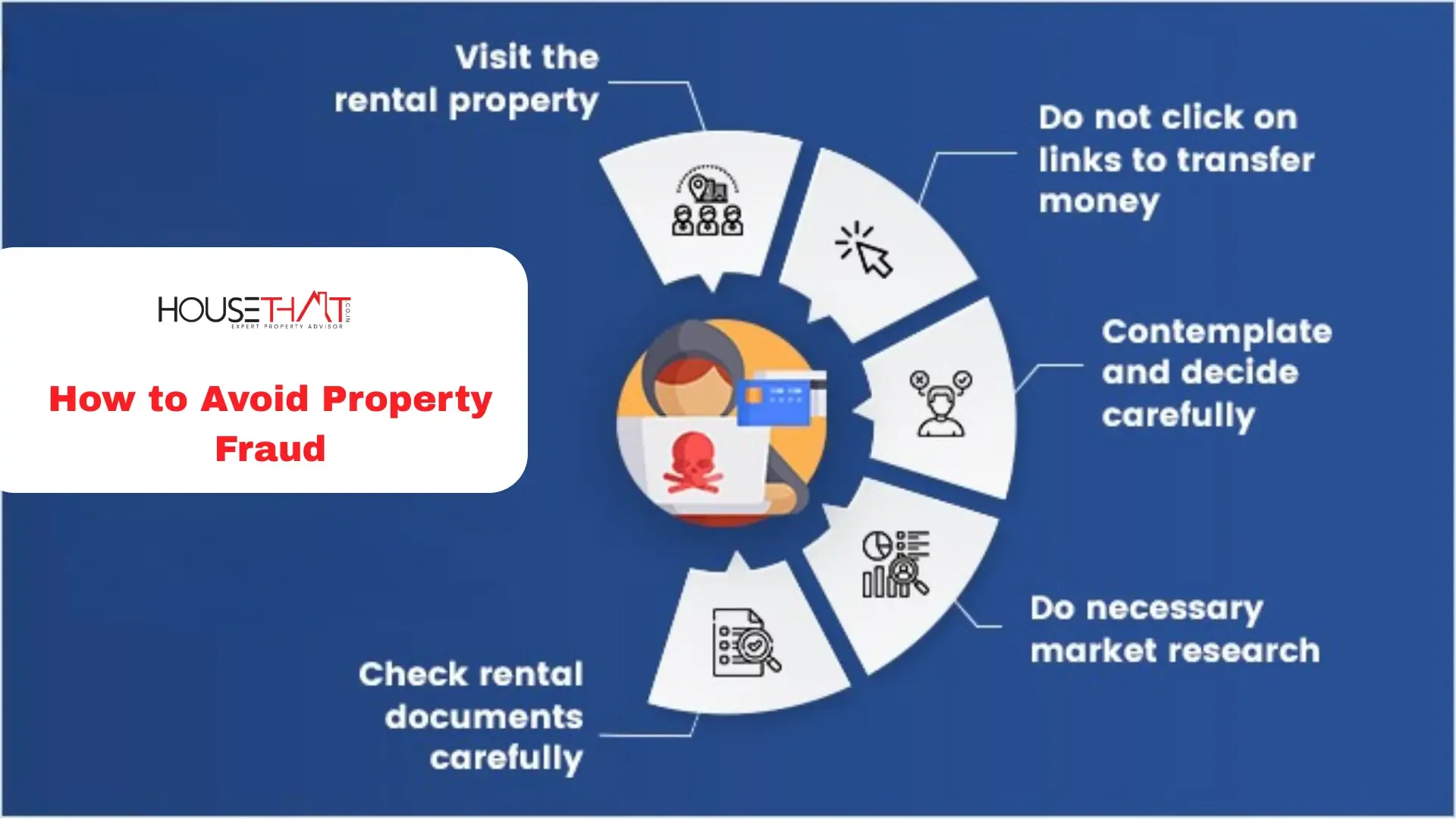
How to Avoid Property Fraud
Wondering how to avoid property fraud? This comprehensive guide explains the most common property scams, legal verification steps, document checks, and practical tips to help buyers, sellers, and investors complete secure real estate transactions with confidence.
Introduction
Buying a property is one of the biggest financial decisions most people make. Whether you are purchasing your first home, investing in commercial real estate, or buying land for future development, every transaction involves a significant amount of money. Unfortunately, the increasing value of real estate has also led to an increase in fraudulent activities.
Understanding how to avoid property fraud is essential for every buyer, seller, and investor. Property fraud can result in financial losses, lengthy legal disputes, and emotional stress. The good news is that most real estate scams can be prevented with proper due diligence, legal verification, and awareness.
This comprehensive guide explains everything you need to know about how to avoid property fraud, common scams, warning signs, legal verification, document checks, and practical tips that can help protect your investment.
What is Property Fraud?
Property fraud occurs when an individual or group illegally deceives another person during a real estate transaction for financial gain.
Fraudsters may:
Sell property they do not own
Forge ownership documents
Create fake title deeds
Sell disputed properties
Sell the same property to multiple buyers
Produce counterfeit identity documents
Hide legal disputes
Misrepresent approvals and permissions
These fraudulent practices often target first-time buyers, NRIs, senior citizens, and investors unfamiliar with local property laws.
Why Property Fraud is Increasing
Several factors contribute to the rise in property fraud:
Rapid urban development
Increasing land prices
Online property listings
Forged digital documents
Weak verification by buyers
Fake real estate agents
Multiple ownership disputes
Lack of legal awareness
Criminals often exploit buyers who rush into deals without conducting proper verification.
Common Types of Property Fraud
Understanding common scams is the first step in learning how to avoid property fraud.
Fake Ownership
A fraudster claims ownership of property using forged documents.
After receiving payment, the buyer later discovers the real owner never sold the property.
Selling Disputed Property
Some properties are involved in ongoing court cases or family disputes.
Unsuspecting buyers may purchase these properties without knowing the legal complications.
Multiple Sales
One property is sold simultaneously to several buyers.
Each buyer pays an advance before discovering that others have purchased the same property.
Fake Power of Attorney
Fraudsters use forged Power of Attorney documents to sell property illegally.
Always verify the authenticity of the Power of Attorney.
Identity Theft
Criminals impersonate legitimate property owners using fake identification documents.
Fake Real Estate Agents
Unauthorized brokers advertise properties that either do not exist or are not available for sale.
Forged Registration Documents
Fake sale deeds and manipulated registration papers are presented to convince buyers.
Fake Government Approvals
Some developers produce counterfeit approvals for layouts, building plans, or land conversion.
Why Buyers Become Victims
Many buyers unknowingly ignore important precautions.
Common mistakes include:
Skipping legal verification
Trusting verbal promises
Paying cash without documentation
Not hiring a property lawyer
Ignoring title verification
Purchasing below market value without questioning
Not verifying seller identity
Failing to inspect original documents
How to Avoid Property Fraud
Now let's explore practical steps on how to avoid property fraud.
Verify Ownership
Always confirm the legal owner.
Request:
Original Sale Deed
Previous Sale Deeds
Property Tax Records
Mutation Certificate
Compare ownership across all documents.
Check the Property Title
A clear title confirms the seller legally owns the property.
Ensure:
No ownership disputes
No forged transfers
Proper inheritance records
Valid registrations
Verify Seller Identity
Request government-issued identification.
Cross-check:
Name
Photograph
Address
Signature
Match these details with property records.
Inspect Original Documents
Never rely solely on photocopies.
Review original documents carefully.
Look for:
Tampering
Missing pages
Altered signatures
Different ink
Erasures
Conduct a Legal Search
Hire a qualified property lawyer to examine:
Ownership history
Court cases
Encumbrances
Mortgages
Government acquisition notices
Professional legal verification greatly reduces fraud risks.
Obtain an Encumbrance Certificate
An Encumbrance Certificate reveals whether the property has:
Loans
Mortgages
Legal liabilities
Financial claims
Avoid purchasing property with unresolved encumbrances.
Verify Property Tax Payments
Check that:
Property tax is current
Water bills are paid
Electricity dues are cleared
Municipal records are updated
Outstanding dues may become the buyer's responsibility.
Confirm Government Approvals
For apartments and commercial projects verify:
Layout approval
Building plan approval
Occupancy Certificate
Completion Certificate
Environmental approvals where applicable
Visit the Property Personally
Never buy based only on photographs.
Inspect:
Actual boundaries
Construction status
Access roads
Encroachments
Occupancy
Speak with nearby residents whenever possible.
Verify Possession
Ensure the seller has legal possession.
Check whether:
Tenants occupy the property
Unauthorized occupants exist
Court stay orders apply
Avoid Cash Transactions
Use banking channels.
Maintain records through:
NEFT
RTGS
Bank transfers
Demand Drafts
These create an official financial trail.
Register the Sale Properly
Registration legally transfers ownership.
Avoid unregistered agreements unless legally advised for specific circumstances.
Hire a Property Lawyer
An experienced lawyer can verify:
Title
Legal ownership
Encumbrances
Litigation
Documentation
Professional guidance often prevents expensive mistakes.
Documents You Must Verify
When learning how to avoid property fraud, always inspect these documents:
Sale Deed
Mother Deed
Title Deed
Encumbrance Certificate
Property Tax Receipts
Occupancy Certificate
Completion Certificate
Approved Building Plan
Mutation Certificate
Khata Certificate (where applicable)
Identity Proof of Seller
PAN Card
Aadhaar or equivalent identification
Utility Bills
Possession Letter
Warning Signs of Property Fraud
Be cautious if you notice:
Extremely low prices
Pressure to make immediate payment
Seller refuses document verification
Missing ownership records
Fake-looking stamps
Unregistered brokers
Inconsistent signatures
Verbal assurances without written proof
Cash-only demands
Reluctance to involve lawyers
Extra Precautions for Buying Land
Land purchases often involve greater risks.
Verify:
Exact survey numbers
Land use classification
Government acquisition notifications
Agricultural restrictions
Boundary measurements
Access rights
Easements
Encroachments
Extra Precautions for Buying Apartments
Apartment buyers should verify:
Builder approvals
Occupancy Certificate
Completion Certificate
Maintenance dues
Society formation
Parking allocation
Fire safety compliance
Tips for NRIs
NRIs frequently become targets because they are not physically present.
Recommendations include:
Hire a trusted lawyer
Verify documents independently
Avoid giving unrestricted Power of Attorney
Visit the property personally whenever possible
Use secure banking channels
Keep digital copies of every document
Digital Safety Measures
Technology has made transactions easier but has also created new fraud opportunities.
Protect yourself by:
Verifying online listings
Avoiding suspicious payment links
Confirming official email addresses
Using secure digital signatures where legally accepted
Keeping transaction records
Role of a Property Lawyer
A property lawyer can:
Verify ownership
Examine title history
Identify legal disputes
Review agreements
Draft sale documents
Ensure legal compliance
Guide registration
Legal assistance is a valuable investment compared with the potential cost of fraud.
Mistakes Buyers Should Never Make
Avoid these common errors:
Trusting verbal commitments
Ignoring legal advice
Paying before verification
Skipping site visits
Accepting photocopies
Ignoring market research
Buying without checking approvals
Signing blank documents
Failing to read agreements
How Sellers Can Protect Themselves
Fraud can also affect sellers.
Sellers should:
Verify buyer identity
Use written agreements
Accept payments through banks
Keep copies of documents
Avoid sharing originals unnecessarily
Work with qualified legal professionals
Importance of Proper Documentation
Documentation provides legal protection.
Maintain copies of:
Sale agreements
Payment receipts
Bank statements
Registration documents
Identity proofs
Tax receipts
Communication records
Good record-keeping simplifies future transactions and legal claims if disputes arise.
Importance of Due Diligence
Due diligence means thoroughly investigating every aspect of the property before completing the purchase.
It includes:
Title verification
Physical inspection
Legal review
Financial verification
Government approvals
Seller background check
Skipping due diligence can expose buyers to avoidable risks.
Final Checklist Before Buying Property
Before signing any agreement, confirm:
Seller identity verified
Original documents inspected
Clear title confirmed
No legal disputes
No outstanding loans
Property physically inspected
Government approvals verified
Lawyer review completed
Bank payment arranged
Registration scheduled
Conclusion
Knowing how to avoid property fraud is one of the most important responsibilities of any property buyer or investor. Real estate transactions involve substantial financial commitments, and a single mistake can lead to years of legal complications and financial loss.
Fortunately, property fraud is largely preventable. By verifying ownership, checking legal documents, confirming government approvals, conducting physical inspections, hiring an experienced property lawyer, and using secure payment methods, you can significantly reduce the risk of becoming a victim.
Never rush into a property purchase because of attractive prices or pressure from sellers or agents. Careful planning, thorough due diligence, and professional advice are the strongest safeguards against fraud. Investing time in verification today can save you from costly disputes tomorrow and help ensure that your real estate investment is safe, legal, and rewarding.
Frequently Asked Questions (FAQs)
Que: What is the best way to avoid property fraud?
Ans: The best way to avoid property fraud is by verifying ownership documents, checking the property's legal title, hiring a qualified property lawyer, conducting due diligence, and completing all payments through official banking channels.
Que: Which documents should I verify before buying property?
Ans: You should verify the Sale Deed, Title Deed, Encumbrance Certificate, Property Tax Receipts, Approved Building Plan, Occupancy Certificate (if applicable), Identity Proof of the Seller, and other ownership-related records.
Que: Why is an Encumbrance Certificate important?
Ans: An Encumbrance Certificate helps confirm whether the property has any existing loans, mortgages, legal claims, or financial liabilities. It is a crucial document for ensuring a clear title.
Que: Can property fraud happen even after registration?
Ans: Yes. If forged documents or fake identities were used during the transaction, disputes may arise even after registration. Proper legal verification before purchase greatly reduces this risk.
Que: Should I hire a lawyer before purchasing property?
Ans: Yes. Hiring an experienced property lawyer is highly recommended. A lawyer can verify legal ownership, examine title history, review documents, identify disputes, and ensure the transaction complies with applicable laws.