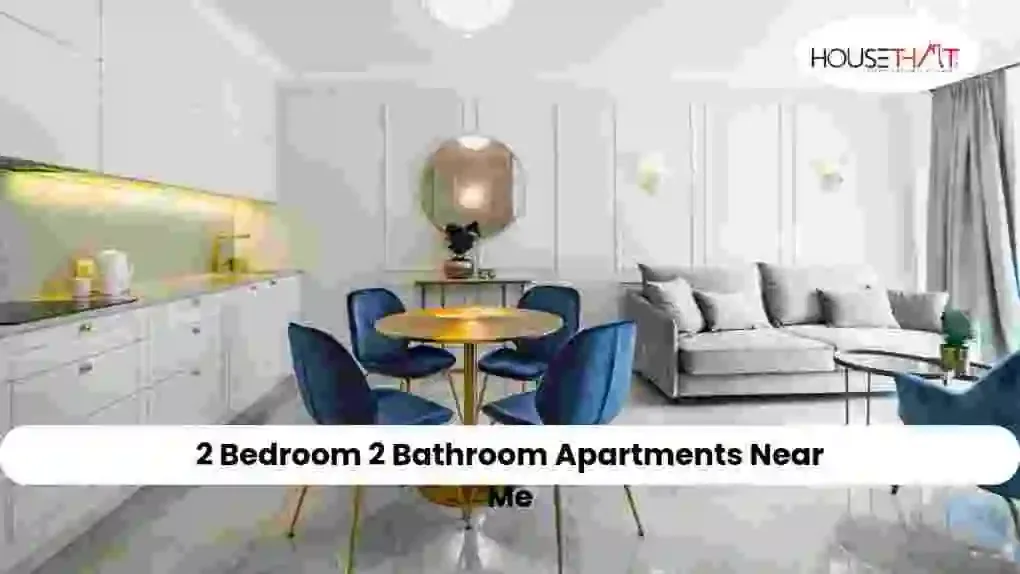
Cheap Two Bedroom Apartments: Complete Guide to Finding an Affordable Home

Cheap Two Bedroom Apartments: Complete Guide to Finding an Affordable Home
Looking for cheap two bedroom apartments that offer comfort, convenience, and value for money? Discover how to find affordable apartments, compare locations, evaluate essential amenities, and choose a home that meets your lifestyle and budget. Explore practical tips for buying or renting a two-bedroom apartment, understand financing options, and learn what to check before making your final decision.
Introduction
Finding a comfortable home that fits your budget is an important goal for individuals, couples, and small families. With rising housing costs in many cities, choosing the right apartment requires careful planning, research, and an understanding of the available options. Cheap two bedroom apartments are an attractive choice for people who want sufficient living space without spending more than they can afford.
A two-bedroom apartment offers a practical balance between affordability, privacy, and functionality. It typically includes two bedrooms, a living room, and a kitchen, with bathrooms and additional features depending on the property's layout. This arrangement makes it suitable for young professionals, newly married couples, small families, roommates, and people who need an extra room for guests or remote work.
However, finding an affordable apartment involves more than choosing the property with the lowest advertised price. Location, transportation, maintenance costs, security, construction quality, and available amenities can significantly influence the overall value of a home.
Whether you are planning to rent an apartment or purchase a property, understanding the factors that affect housing costs can help you make a better decision. This guide explains the benefits of affordable two-bedroom apartments, where to look for them, which features to prioritize, and how to find a property that meets your needs without exceeding your budget.
What Are Cheap Two Bedroom Apartments?
Cheap two bedroom apartments are residential properties designed to accommodate individuals or families looking for a two-bedroom living space at a comparatively affordable price.
The term "cheap" does not necessarily mean poor quality. An affordable apartment may be located in an emerging neighbourhood, a smaller residential development, or an area where housing costs are lower than in premium locations.
These apartments can be available in different forms, including rental units, resale properties, newly constructed apartments, and homes in budget-friendly residential projects.
A typical two-bedroom apartment includes:
Two bedrooms: Separate spaces for sleeping, studying, working, or accommodating guests.
Living room: A shared area for relaxation, family activities, and entertaining visitors.
Kitchen: A dedicated space for preparing meals and storing groceries.
Bathrooms: One or more bathrooms, depending on the apartment configuration.
Storage space: Cupboards, wardrobes, or built-in storage, depending on the property.
Balcony or utility area: An additional feature available in some apartments.
The actual layout and usable area vary between properties. Therefore, buyers and renters should review the floor plan and inspect the apartment before making a decision.
Why Choose Cheap Two Bedroom Apartments?
Affordable two-bedroom apartments offer several advantages for people who want comfortable housing while managing their expenses.
More Space for a Reasonable Price
One of the main benefits of a two-bedroom apartment is the additional space it provides compared with a studio or one-bedroom property.
The second bedroom can serve multiple purposes. A small family can use it as a child's bedroom, while a working professional can convert it into a home office.
People sharing an apartment can also benefit from having separate bedrooms while sharing common areas such as the kitchen and living room.
Choosing an affordable two-bedroom property allows residents to enjoy this flexibility without necessarily paying the higher cost associated with larger apartments.
Suitable for Small Families
Two-bedroom apartments are a practical housing option for couples and small families.
Parents can use one bedroom, while the second can accommodate a child or visiting family members. The living room provides a shared area for spending time together.
For growing families, an additional bedroom can be particularly useful because it offers flexibility as household requirements change.
When evaluating an apartment, consider the size of the bedrooms, available storage, ventilation, and the overall floor plan to ensure that the space meets your family's needs.
Helpful for Budget-Conscious Professionals
Young professionals and people relocating for employment often need accommodation that offers convenience without creating unnecessary financial pressure.
An affordable two-bedroom apartment can provide a dedicated workspace, a separate sleeping area, and enough room for everyday activities.
Sharing the apartment with a trusted roommate may also help reduce individual housing expenses, provided that the rental agreement permits the arrangement.
Choosing a property close to public transportation or the workplace can further reduce commuting costs and save time.
Potential for Rental Income
For property investors, two-bedroom apartments may attract tenants such as couples, small families, and working professionals.
A property in a convenient location with access to employment hubs, educational institutions, hospitals, and shopping facilities may be appealing to prospective tenants.
However, rental demand and returns depend on local market conditions, property quality, the purchase price, and ongoing expenses.
Before buying an apartment as an investment, estimate the potential rental income and account for maintenance, property taxes, repairs, vacancy periods, and loan costs.
How to Find Cheap Two Bedroom Apartments
Finding a suitable apartment at an affordable price becomes easier when you follow a structured search process.
Establish a Realistic Budget
Start by deciding how much you can comfortably spend on housing.
If you are renting, consider the monthly rent, security deposit, maintenance charges, utility bills, transportation, and other recurring expenses.
If you plan to purchase a property, calculate the down payment, estimated home loan EMI, registration charges, applicable taxes, maintenance expenses, and furnishing costs.
Your budget should account for your regular expenses and leave enough money for savings and emergencies.
Avoid choosing a property simply because the advertised price is low. A less expensive apartment with high commuting or maintenance costs may be more expensive over time than a slightly costlier property in a convenient location.
Search in Emerging Residential Areas
Location has a significant impact on housing prices.
Apartments in central business districts, premium neighbourhoods, and established commercial areas often cost more than similar properties in developing residential locations.
Consider neighbourhoods with reasonable connectivity to your workplace and essential services but comparatively lower housing costs.
Before selecting an emerging area, check the availability of public transportation, healthcare facilities, grocery stores, schools, and other services.
Research planned infrastructure projects carefully and distinguish confirmed developments from proposals that may never be completed.
A lower purchase price is useful only if the location remains practical for your daily needs.
Compare Online Property Listings
Online property portals can help you compare apartments across different locations and budgets.
Use filters for the number of bedrooms, monthly rent or purchase price, furnishing status, property type, and preferred neighbourhood.
Compare multiple listings rather than relying on a single advertisement.
Pay attention to the carpet area, building condition, included amenities, maintenance charges, and whether the listed price includes additional fees.
Some listings may contain outdated information or photographs that do not accurately represent the current property. Contact the owner, landlord, or authorised agent to confirm availability and arrange a viewing.
Never transfer money solely because an online listing appears attractive.
Consider Older Apartments
Older apartments can sometimes offer better value than newly constructed properties in the same area.
An established residential building may have mature neighbourhood facilities, convenient transport connections, and access to nearby markets.
However, older properties require careful inspection.
Check for dampness, plumbing problems, electrical issues, structural concerns, and signs of poor maintenance. Ask about upcoming repairs and recurring maintenance charges.
For a purchase, review the ownership documents, applicable approvals, building records, and any outstanding dues.
For a rental, clarify who is responsible for repairs and maintenance under the rental agreement.
Negotiate the Price or Rent
Negotiation can help you secure a more affordable deal, depending on market conditions and the owner's willingness to negotiate.
Before making an offer, research the prevailing rent or sale price of comparable apartments in the same neighbourhood.
If you are renting, ask whether the landlord is willing to adjust the rent, security deposit, or other terms.
If you are purchasing, compare recent transactions where reliable information is available and consider the property's condition and any repairs it requires.
Keep all agreed terms in writing. A clear agreement can prevent misunderstandings about payments, maintenance responsibilities, and possession.
Important Features to Look for in an Affordable Apartment
A low price should not come at the expense of essential comfort, safety, or convenience.
When comparing cheap two bedroom apartments, prioritize the features that will have the greatest impact on your daily life.
Location and Connectivity
Check the distance to your workplace, school, healthcare facilities, supermarkets, and public transportation.
If you rely on public transport, evaluate the actual walking distance to the nearest station or bus stop.
Consider traffic conditions during peak hours and calculate the likely monthly commuting cost.
A well-connected apartment can make everyday life easier while helping you control transportation expenses.
Security and Safety
Safety should be a priority when choosing a home.
Look for secure entrances, functioning locks, adequate lighting, and well-maintained common areas.
Depending on the building, additional facilities may include security personnel, controlled access, CCTV in common areas, and fire safety systems.
For rental properties, inspect the apartment in person and verify the identity of the landlord or authorised representative before signing an agreement.
For purchased properties, check the relevant building approvals and safety documentation.
Water and Electricity Supply
Reliable water and electricity services are essential for comfortable living.
Ask about the availability of water throughout the year, water storage facilities, power backup, and the reliability of local utility services.
In apartment complexes, clarify whether backup power covers the entire apartment or only selected common areas.
Understanding these details in advance can help you avoid unexpected inconvenience and expenses.
Ventilation and Natural Light
An apartment with sufficient natural light and ventilation can feel more comfortable and pleasant.
Check window placement, airflow, room orientation, and the amount of daylight entering the bedrooms and living room.
Inspect the kitchen and bathrooms for ventilation and signs of moisture.
Good ventilation can improve everyday comfort, while identifying dampness early may help you avoid costly repairs.
Maintenance and Amenities
Some residential complexes provide lifts, parking, gardens, gyms, children's play areas, and community spaces.
Although these facilities can be useful, they may also increase monthly maintenance costs.
Make a list of the amenities you actually need and compare the total cost of living in different properties.
For example, a building with fewer amenities but lower maintenance charges may be a better fit for someone who prioritizes affordability.
Renting or Buying: Which Option Is Better?
The right choice depends on your financial circumstances, employment plans, and long-term housing goals.
Benefits of Renting
Renting an apartment usually requires less upfront capital than purchasing one.
It can be suitable for people who expect to relocate for work, are still exploring neighbourhoods, or do not want a long-term mortgage commitment.
Renters can also avoid certain ownership-related expenses, such as major structural repairs, depending on the terms of the agreement and applicable law.
However, rental payments do not create ownership in the property, and rent may increase over time according to the agreement and local rules.
Before moving in, review the security deposit, notice period, maintenance responsibilities, rent escalation terms, and restrictions on occupancy.
Benefits of Buying
Purchasing an apartment can provide long-term housing stability and ownership of a residential asset.
Buyers can generally make decisions about the property subject to applicable laws, building rules, and any relevant contractual restrictions.
A home loan may make ownership possible without paying the full purchase price upfront.
Nevertheless, buying requires substantial financial planning. Ownership involves registration expenses, maintenance, repairs, property taxes, and potentially years of loan repayments.
Property values can rise or fall, and resale may take time.
Compare the total cost of ownership with the cost of renting before making a decision.
Financing Options for Affordable Two Bedroom Apartments
For buyers who cannot pay the entire property price upfront, a home loan may provide a practical financing option.
Banks and housing finance companies evaluate several factors when reviewing applications, including income, employment stability, credit history, existing debts, and the property's eligibility.
Check Your Loan Eligibility
Estimate your monthly repayment capacity before searching for a property.
Use a home loan EMI calculator to compare different loan amounts, interest rates, and repayment periods.
Choose an EMI that fits comfortably within your monthly budget rather than borrowing the maximum amount available.
Remember that interest rates, fees, and lending conditions vary between financial institutions.
Plan Your Down Payment
Most homebuyers need to contribute a portion of the purchase price from their own funds.
The required contribution depends on the lender's policies, the property's value, and applicable loan-to-value limits.
In addition to the down payment, set aside money for registration, legal verification, furnishing, moving, and unexpected expenses.
Avoid using all your savings for the purchase because maintaining an emergency fund is important.
Compare Loan Offers
Review the interest rate, processing fee, repayment period, prepayment conditions, and other loan terms before choosing a lender.
A lower advertised interest rate does not automatically mean the lowest overall borrowing cost.
Ask the lender how changes in floating interest rates may affect your EMI or repayment tenure.
Read the loan agreement carefully and ensure that the repayment schedule is manageable over the long term.
Common Mistakes to Avoid When Searching for Affordable Apartments
Even a well-planned property search can go wrong if important details are overlooked.
Avoid these common mistakes:
Focusing only on the price: Compare the total cost of living in the apartment, including maintenance, utilities, transportation, and repairs.
Ignoring the neighbourhood: Visit the area at different times to assess traffic, noise, accessibility, and general conditions.
Skipping property inspections: Photographs cannot reliably reveal every maintenance problem or layout limitation.
Overlooking legal documents: Buyers should verify ownership and applicable approvals before committing to a purchase.
Ignoring the rental agreement: Renters should understand the deposit, notice period, rent increases, and maintenance responsibilities.
Making rushed payments: Verify the property and the identity of the person receiving payment before transferring money.
Stretching the budget: Leave sufficient room for emergencies and other financial commitments.
Taking time to evaluate these factors can help you avoid unnecessary costs and make a more confident decision.
Conclusion
Cheap two bedroom apartments offer a practical housing option for individuals, couples, small families, and budget-conscious professionals who need comfortable living space at a manageable cost.
Finding the right apartment requires more than searching for the lowest price. Location, connectivity, safety, maintenance charges, property condition, and available facilities all influence the overall value of a home.
Begin by setting a realistic budget, researching suitable neighbourhoods, and comparing multiple properties. Inspect shortlisted apartments carefully, verify relevant documents, and understand all costs before signing an agreement or making a payment.
If you plan to rent, review the rental terms and recurring expenses. If you intend to buy, evaluate your financing options and confirm that the purchase fits your long-term financial plans.
By focusing on affordability, practicality, and reliable property information, you can find a two-bedroom apartment that supports your lifestyle without placing unnecessary pressure on your finances.
The goal is not simply to find a cheap apartment. It is to find a comfortable, secure, and convenient home that offers lasting value for your money.
Frequently Asked Questions
Que: Where can I find cheap two bedroom apartments?
Ans: You can search online property portals, contact local real estate agents, explore rental listings, and visit residential neighbourhoods that match your budget. Compare multiple properties and verify their availability, location, condition, and total costs before making a decision.
Que: What should I consider when choosing an affordable two-bedroom apartment?
Ans: Consider the location, usable floor area, transportation options, security, water supply, ventilation, maintenance charges, and building condition. Buyers should also verify ownership documents and applicable approvals, while renters should carefully review the rental agreement.
Que: Are cheap two bedroom apartments suitable for families?
Ans: Yes, many affordable two-bedroom apartments are suitable for small families. They provide separate sleeping spaces and a shared living area. However, the suitability of a property depends on the apartment's size, layout, available facilities, and the family's specific requirements.
Que: Is it better to rent or buy a two-bedroom apartment?
Ans: Renting may be more suitable if you need flexibility, expect to relocate, or want to avoid a large upfront investment. Buying may suit people seeking long-term housing stability and who can comfortably manage the down payment, loan repayments, maintenance, and other ownership costs. Compare both options based on your financial situation and plans.
Que: How can I reduce the cost of a two-bedroom apartment?
Ans: You can reduce housing costs by comparing multiple listings, considering less expensive but well-connected neighbourhoods, negotiating rent or purchase prices, and evaluating older properties carefully. Also compare maintenance fees, utility costs, and commuting expenses to understand the apartment's overall affordability.